8 hr 30 min
York to Whitby & North York Moors Full-Day Tour
- Expert local guide
- Small group
- Skip-the-line access
- Free cancellation
Whitby Abbey Tickets — Timed Entry & Guided Visits
Gothic arches above the harbour, salt wind through open stone.
Compare fares, pick the fit — all bookings are mobile-voucher and eligible for free cancellation where shown.
8 hr 30 min
8 hr
2 hr
| Experience | Duration | Rating | Skip-the-line | Guide | Small group | Free cancel. | Price | |
|---|---|---|---|---|---|---|---|---|
|
Guided Experience
Most popular
York to Whitby & North York Moors Full-Day Tour
|
8 hr 30 min | ★ 4.8 | ✓ | ✓ | ✓ | ✓ | €81 | Book → |
|
Guided Experience
Whitby, North York Moors & Steam Railway Day Trip from York
|
8 hr | ★ 4.9 | ✓ | ✓ | ✓ | ✓ | €69 | Book → |
|
Standard Entry
Whitby Abbey Entry Ticket
|
2 hr | ★ 4.7 | — | — | — | ✓ | €14 | Book → |
Worth it for ruin-lovers, skippable for skyline seekers
Whitby Abbey Tickets cost 11.8 GBP for a standard adult walk-up, and the honest question is what that buys beyond a view you can get for nothing. From the harbour or West Cliff, the Gothic shell of the Benedictine church reads beautifully against the sky at no charge, so if the silhouette is what you came for, keep your money. Pay the entry and you get inside the nave itself, the English Heritage visitor centre exhibits in Cholmley House, an included audio guide, and clifftop grounds overlooking the North Sea and St Mary's churchyard. That combination justifies the fee for anyone genuinely interested in monastic ruins. Guided Whitby Abbey Tickets tours and audio-led routes add context the free viewpoints cannot. For repeat visitors, English Heritage membership pays for itself in roughly two or three visits, and covers other Yorkshire landmarks too. Access involves 199 steps unless you drive to the abbey car park.
Bottom line: If you want to stand inside the ruins rather than photograph them from below, a Whitby Abbey Tickets tour earns its 11.8 GBP; otherwise the free clifftop viewpoints will do.
Hand-picked experiences loved by thousands of travelers
8 hours
Free Cancellation
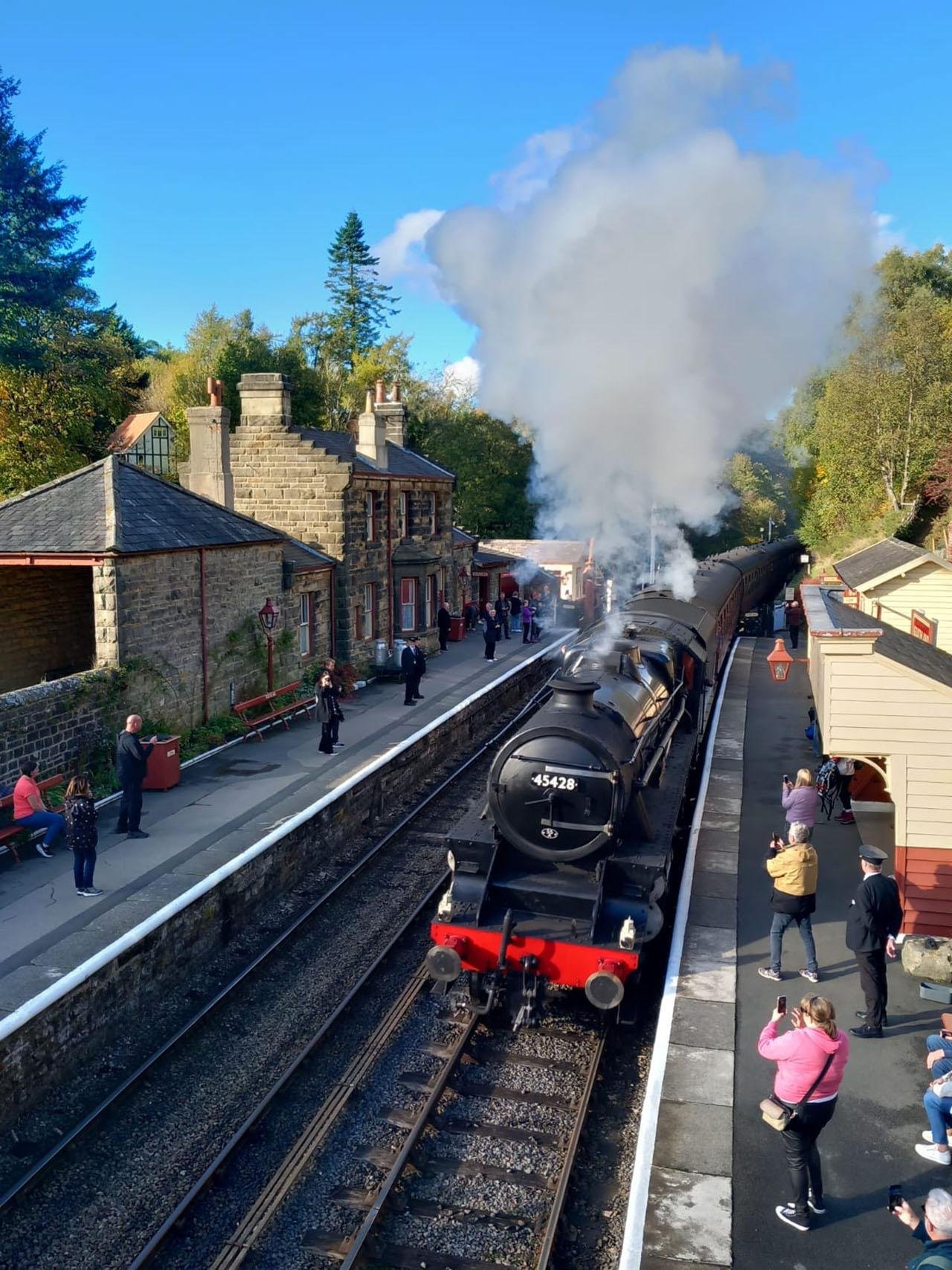
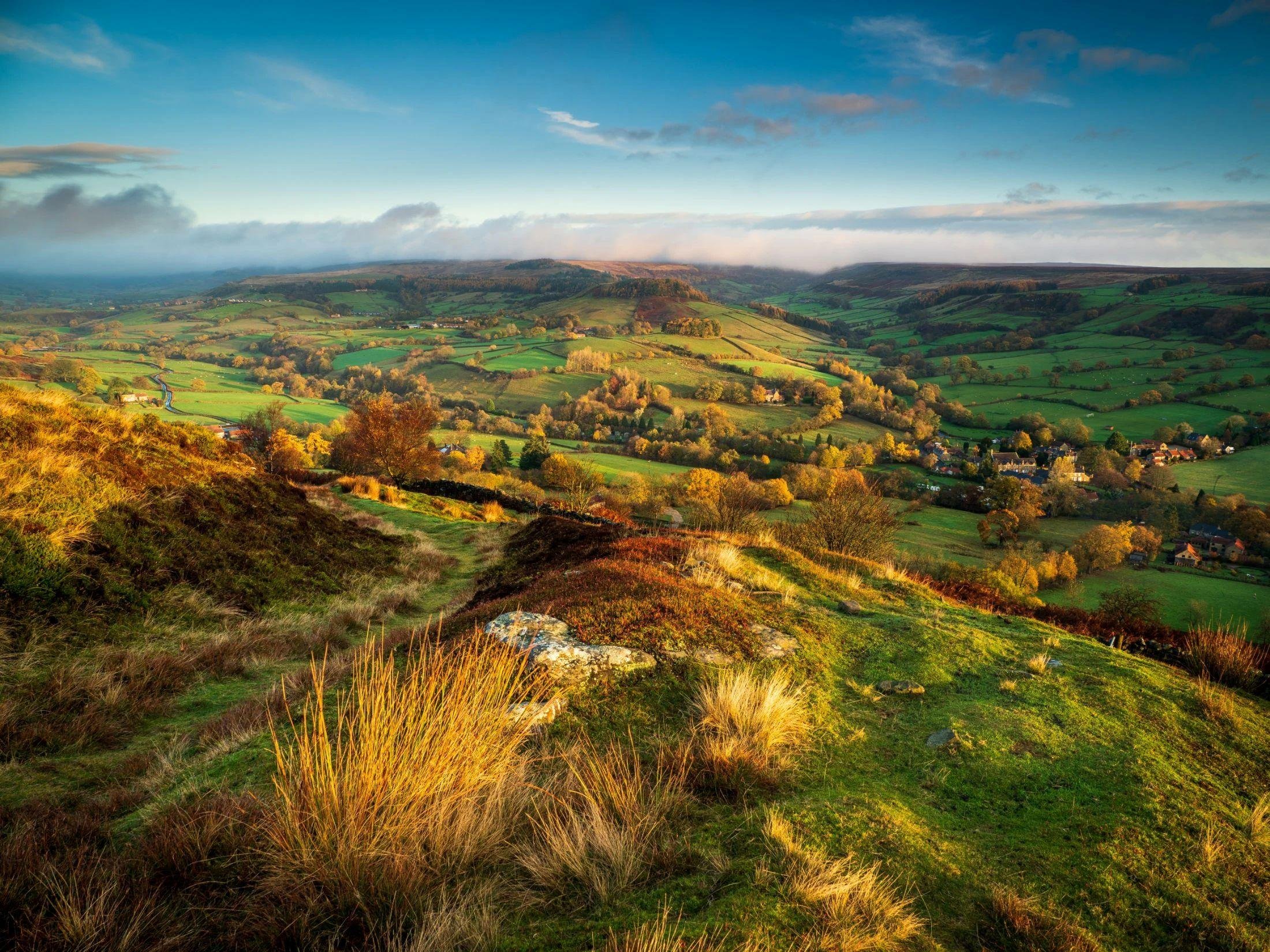
Small-group day trip from York through the Moors to Whitby, with a scenic heritage steam train ride included.
8 hours
Free Cancellation
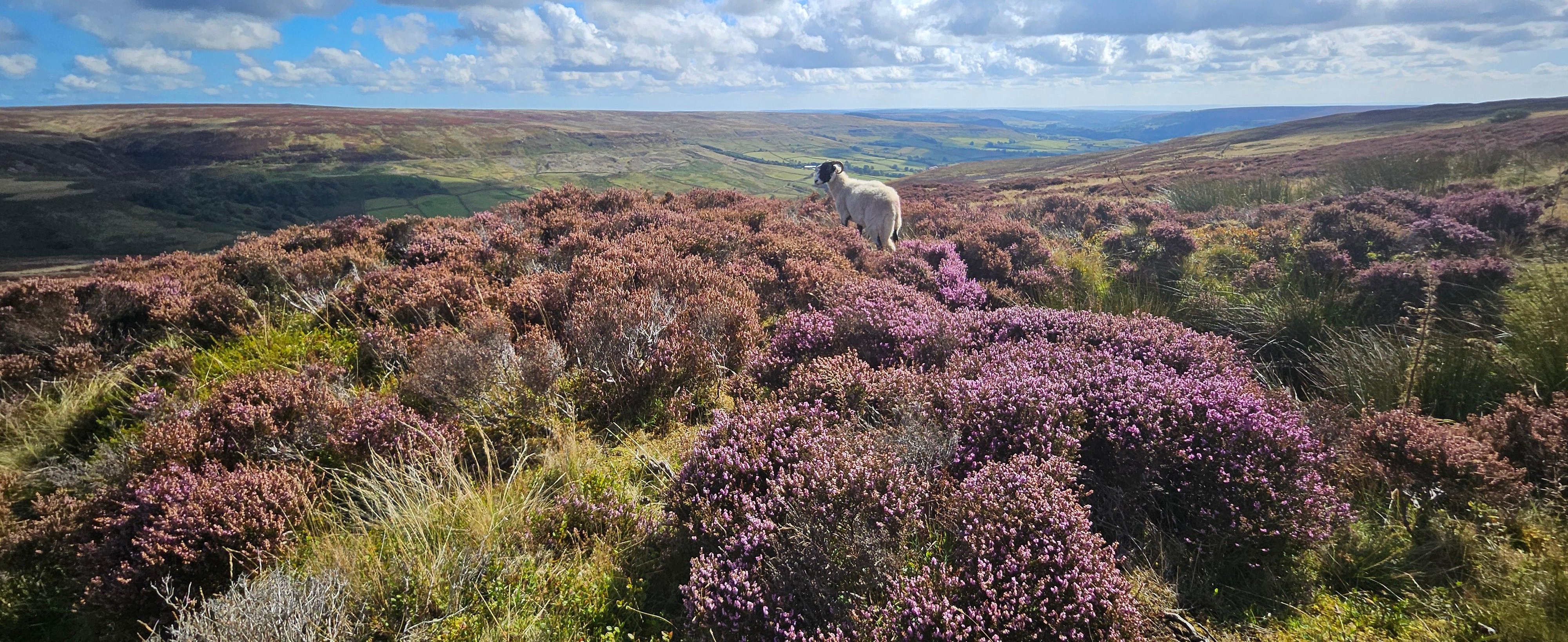
From York, roam wild moorland to Whitby's Dracula-inspired harbor and Hogsmeade Station.
3-10+ days (flexible, self-paced)
Free Cancellation
Self-guided circular road trip linking York's heritage, wild coastline and heather moorland.
1-2 hours
Free Cancellation
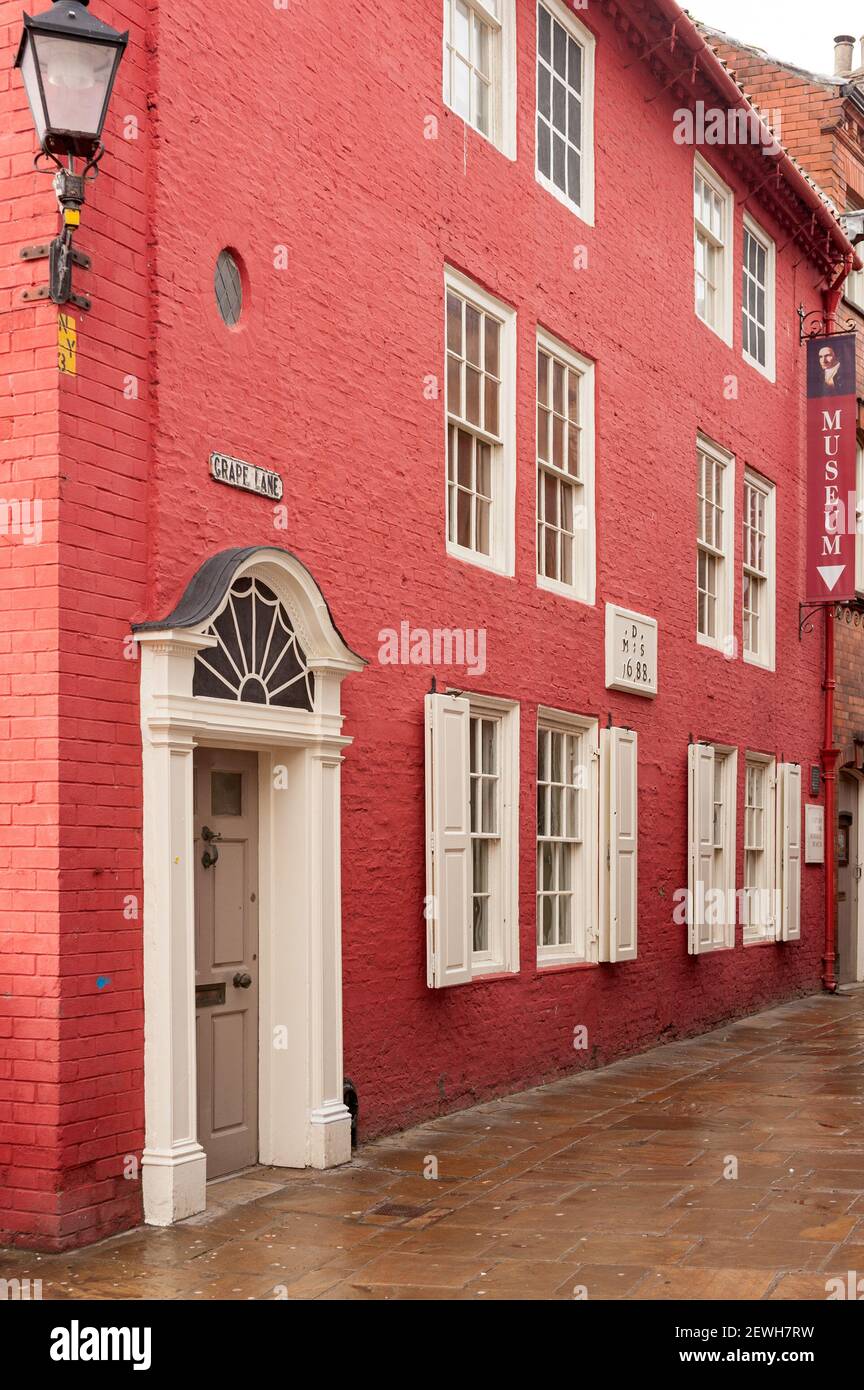
Step inside the only surviving building tied to Captain Cook and explore 300 years of maritime history.
7 hours
Free Cancellation
Journey through the North Yorkshire Moors to the real filming spots of the beloved 1960s TV drama Heartbeat.
8 hours
Free Cancellation
A private day tour from York to Yorkshire's coast, ruined castles, and Whitby's gothic legends.
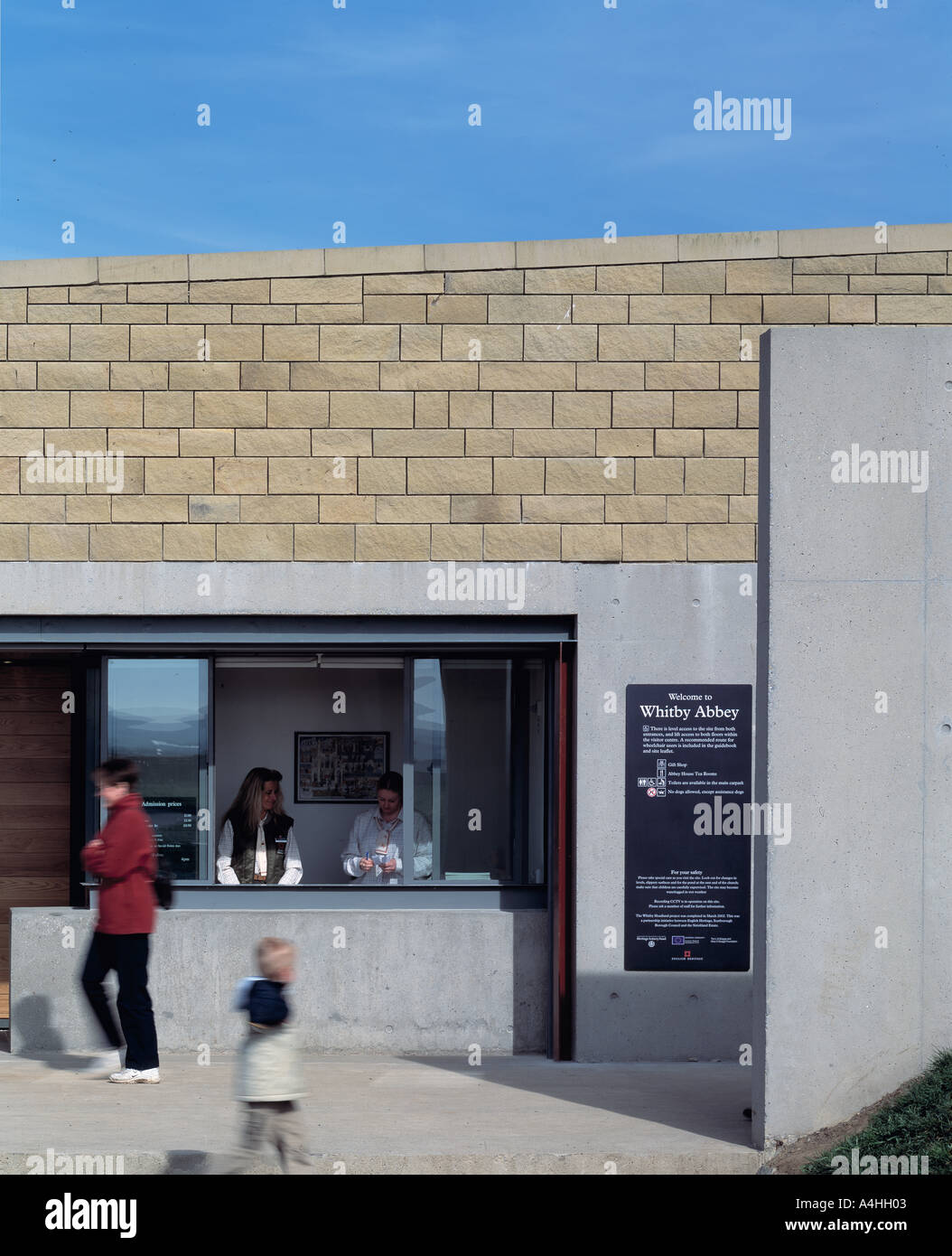
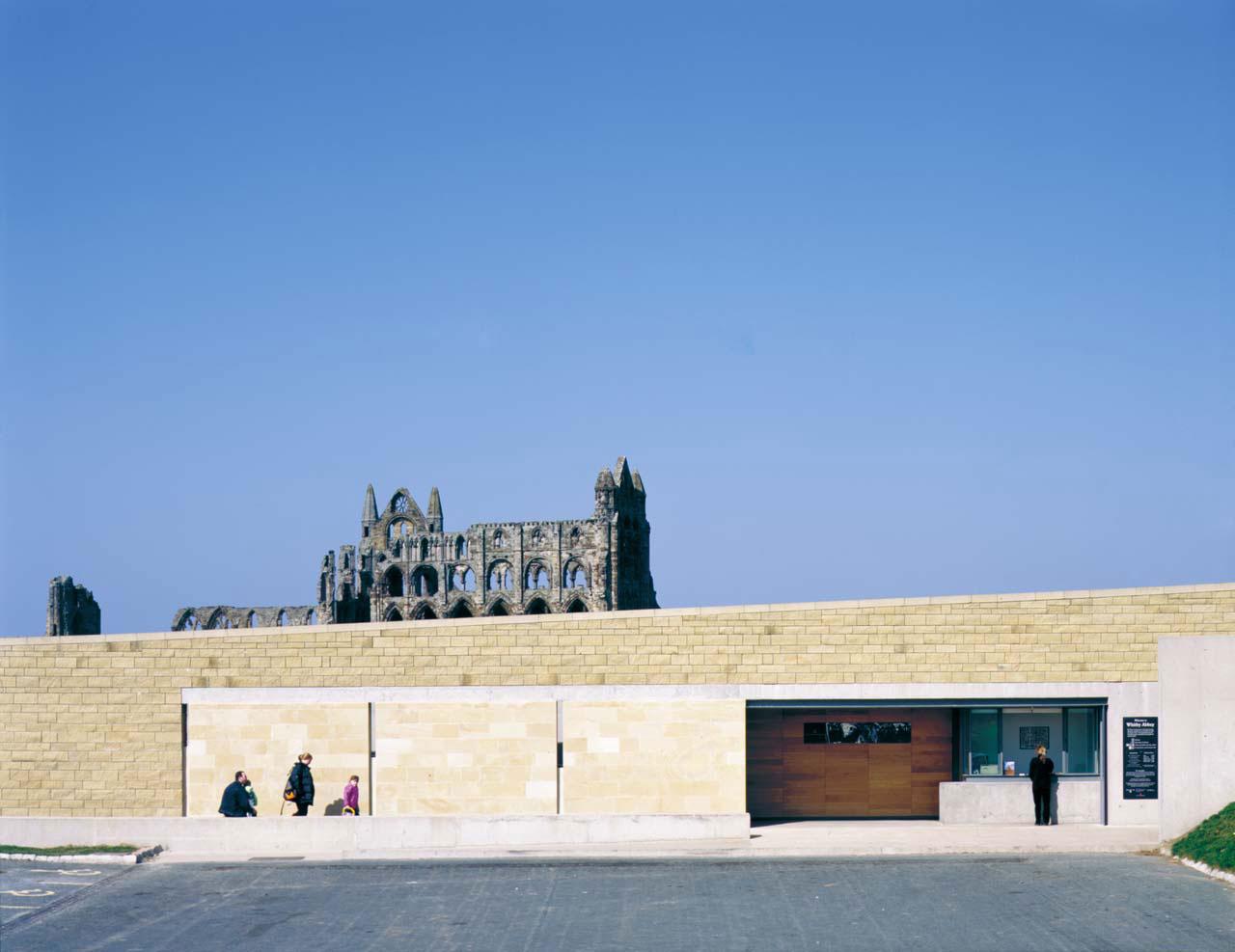
Enter via the visitor centre on Abbey Lane and pick up an audio guide before heading out to the ruins.
Explore interactive displays on St Hild's Anglo-Saxon monastery and the abbey's Bram Stoker connections.
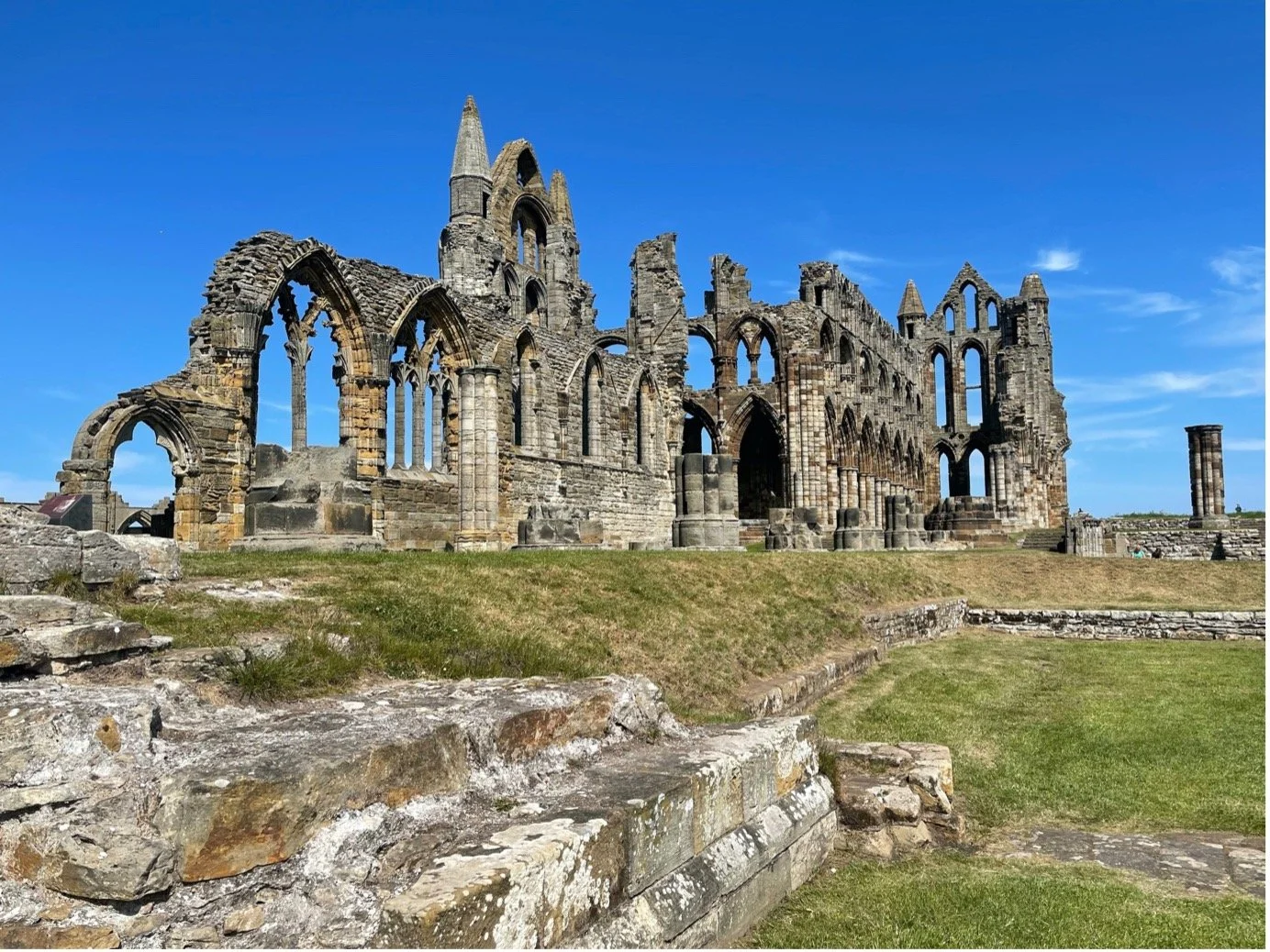
Walk the nave, transepts and choir of the roofless Gothic church, the most complete standing section.
Walk the grounds for clifftop views over Whitby harbour and the North Sea.
View the 17th-century banqueting hall built into the abbey precinct.
Exit past St Mary's Church and descend the 199 steps back into the Old Town.
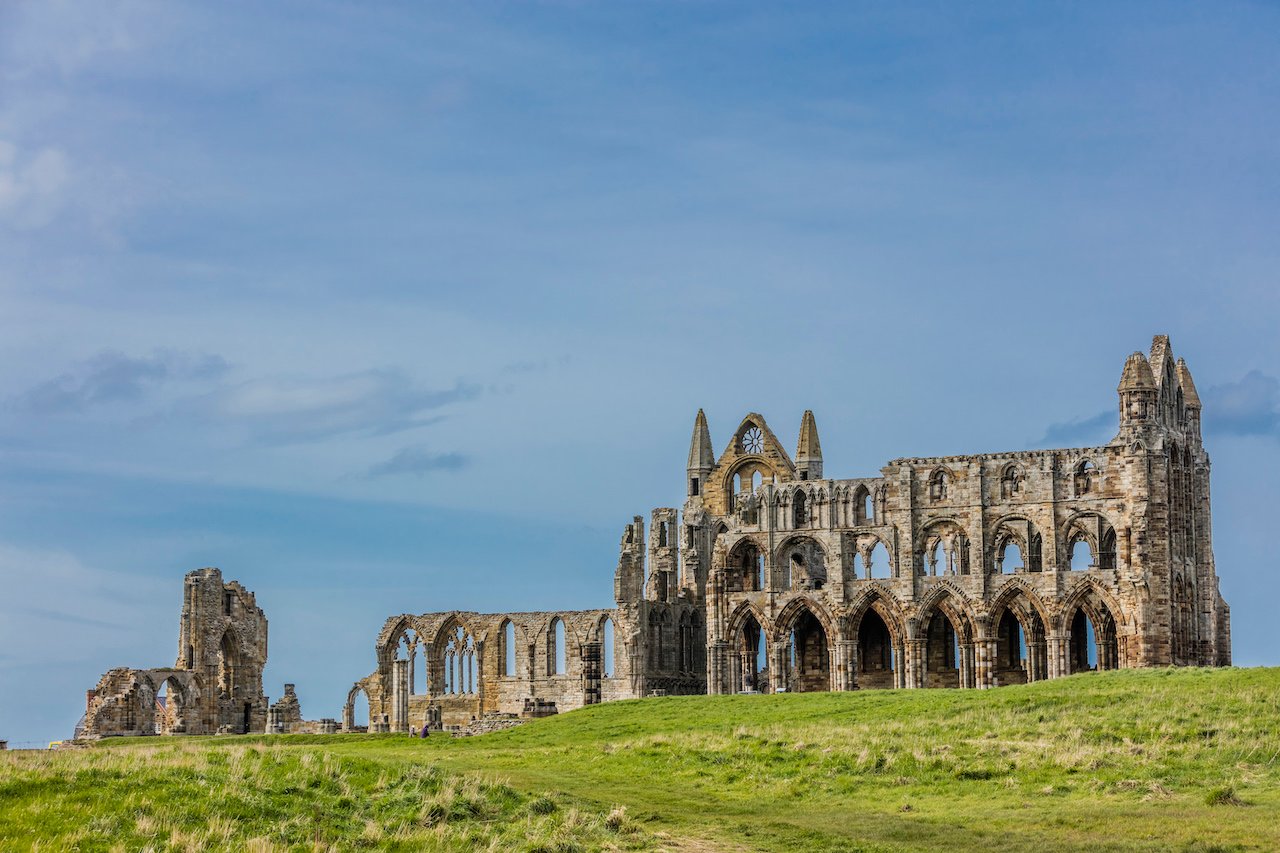
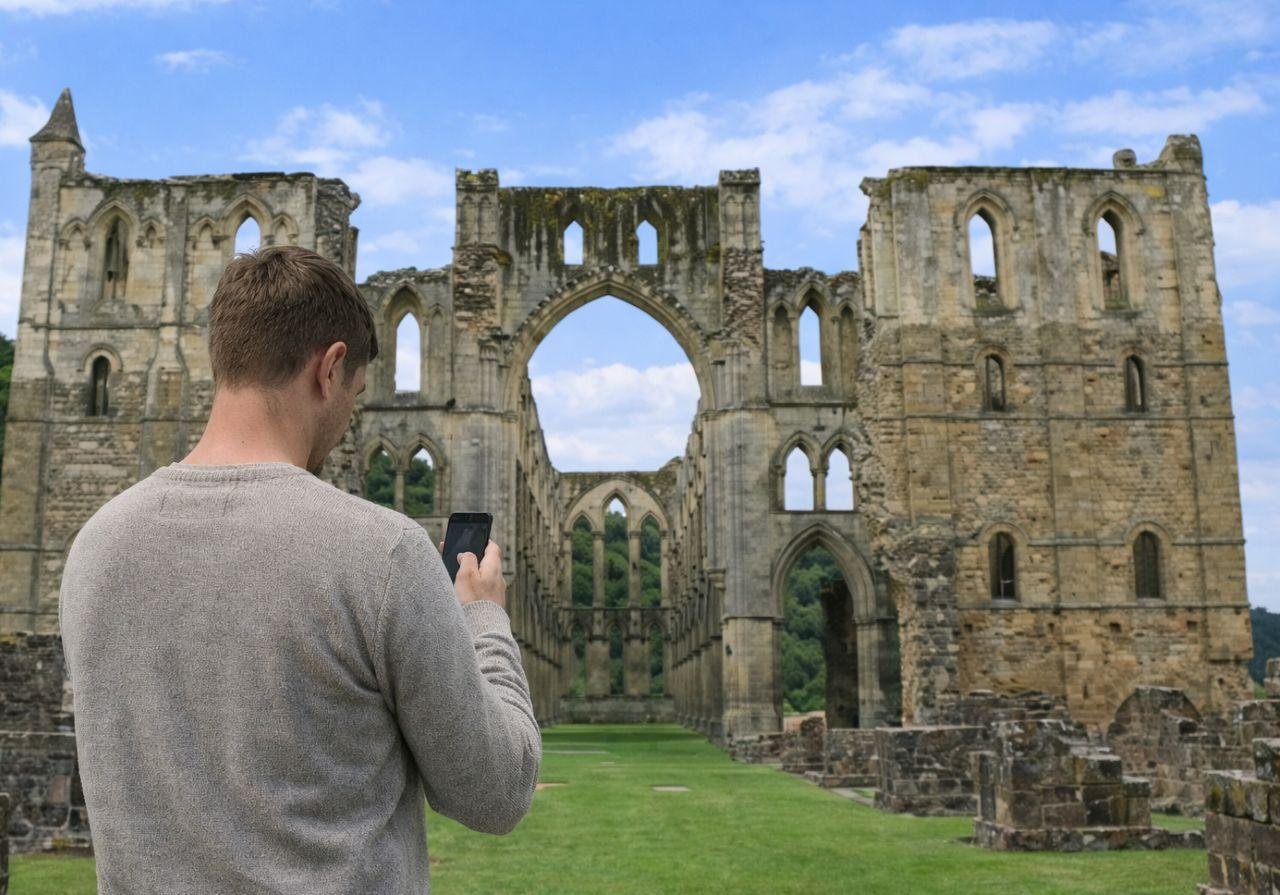
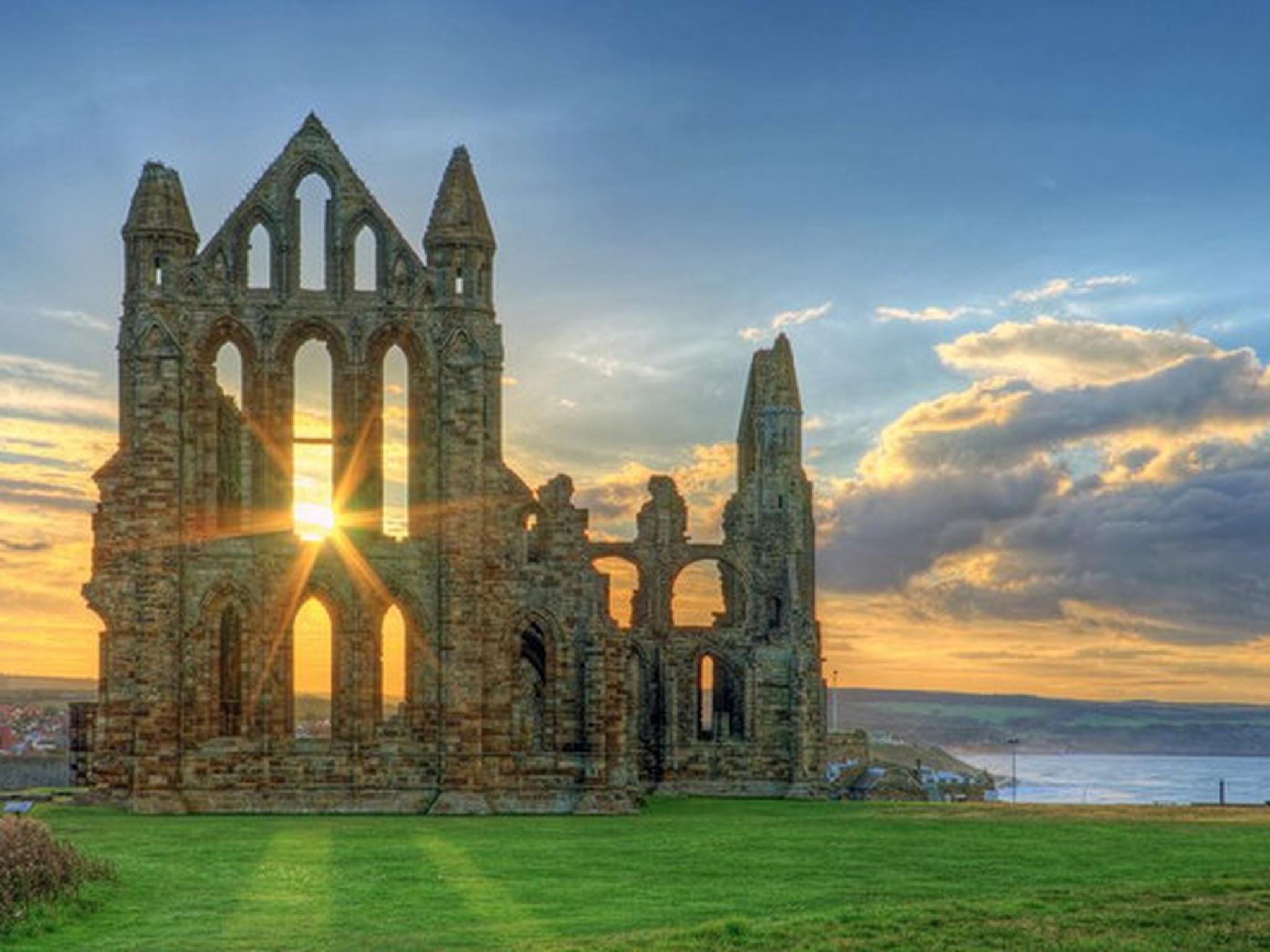
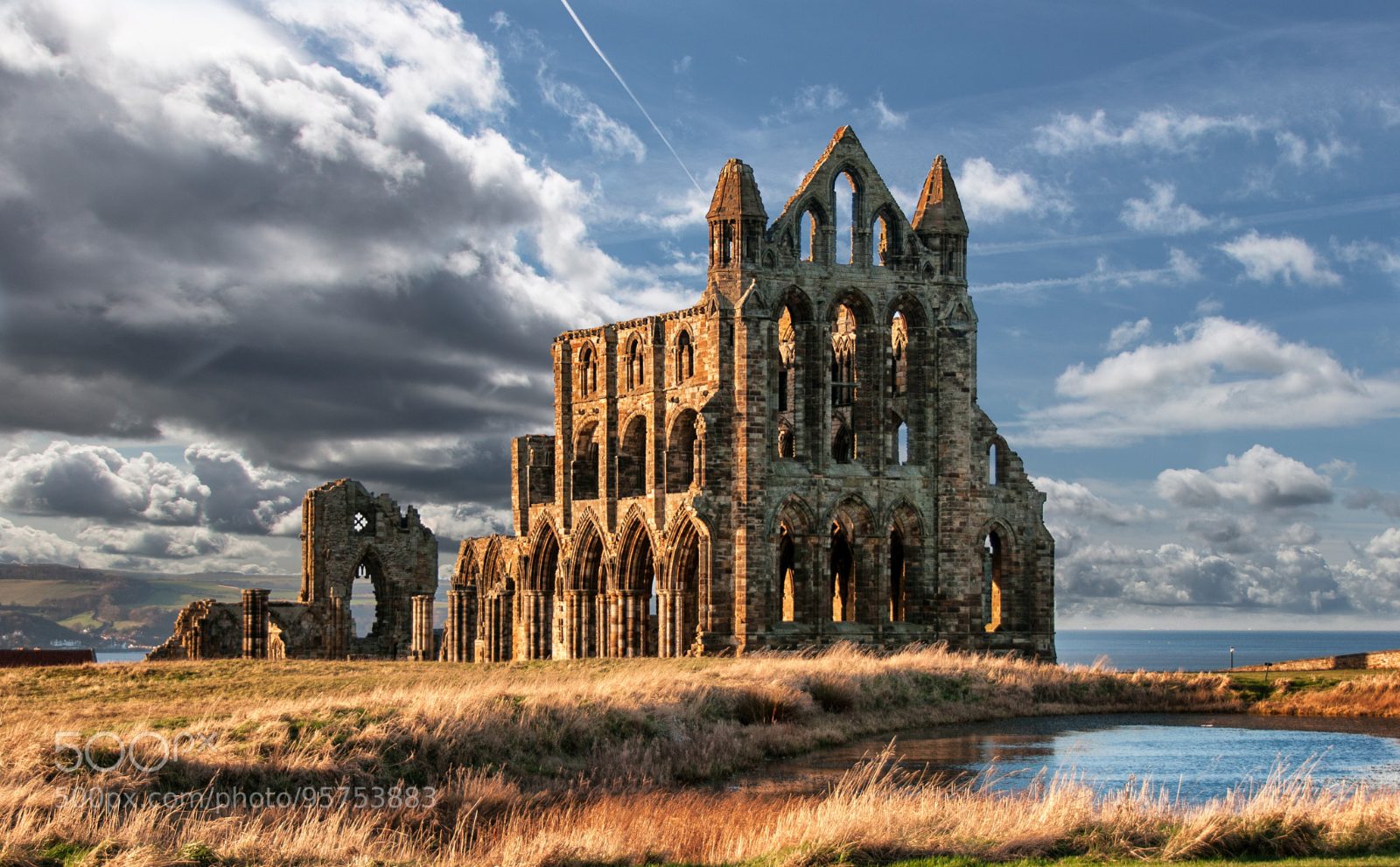
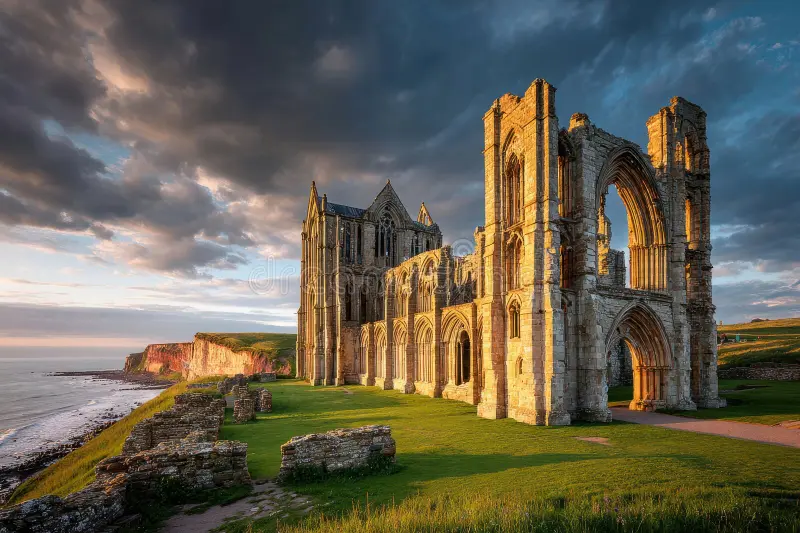
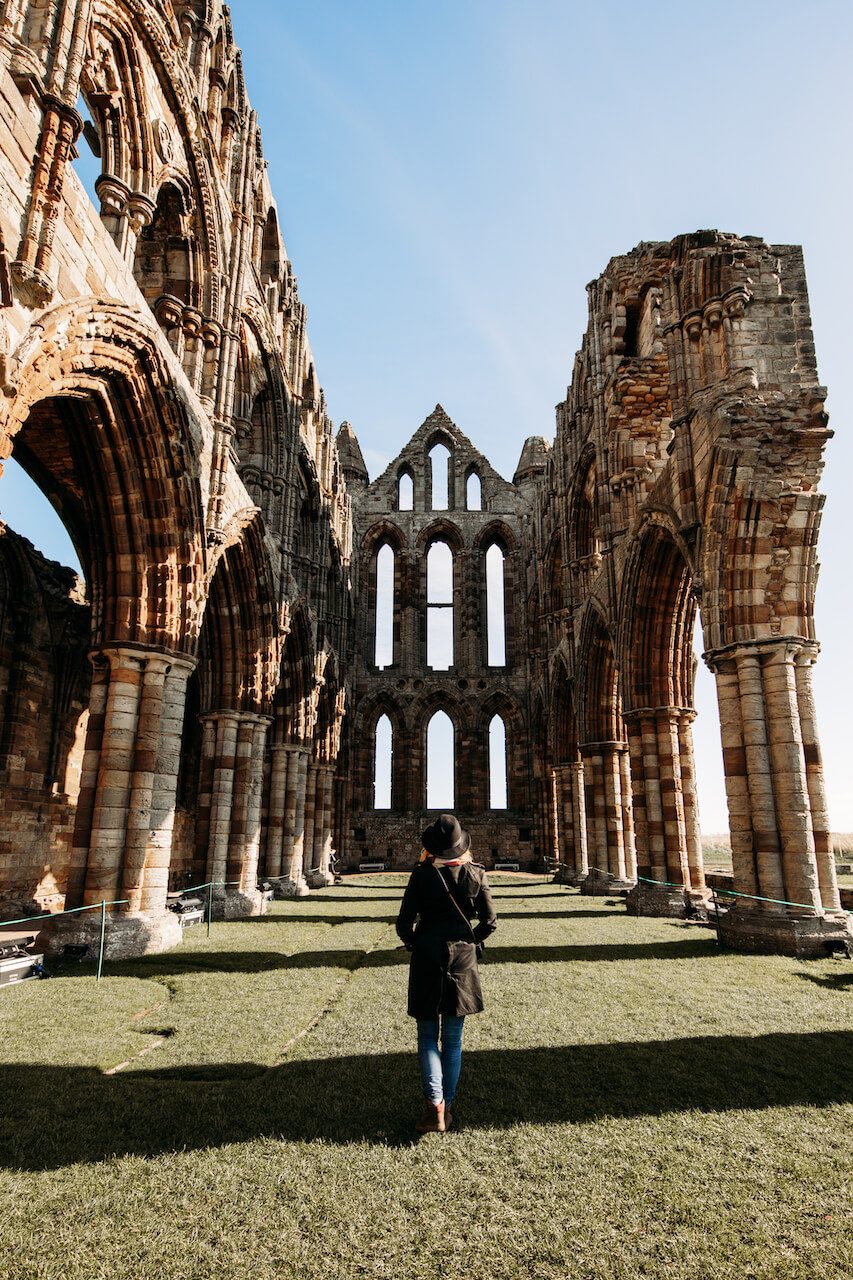
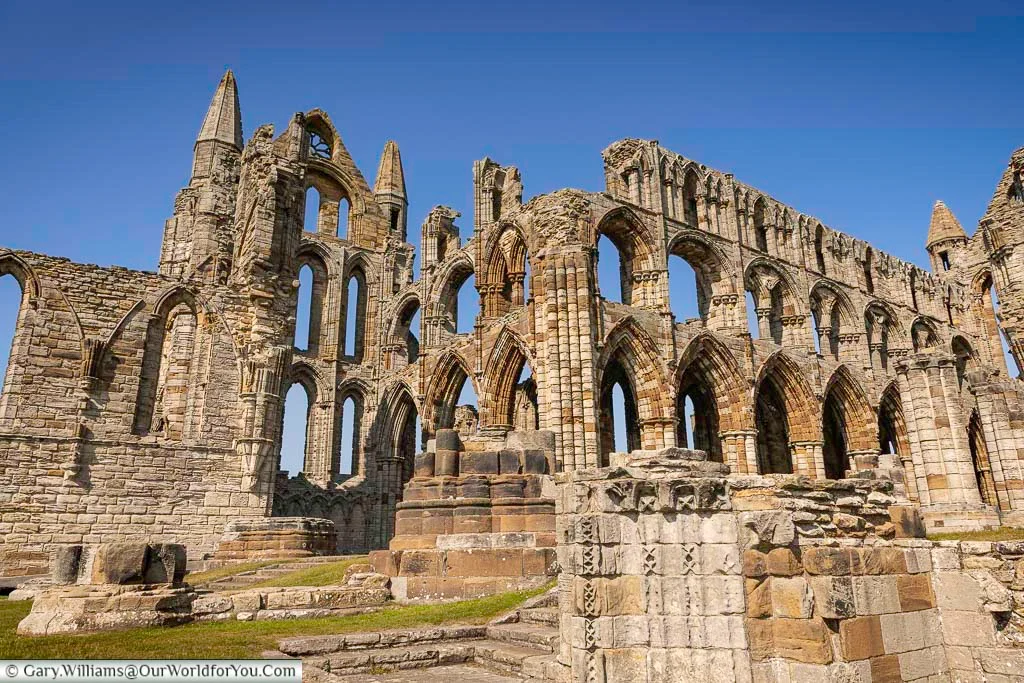
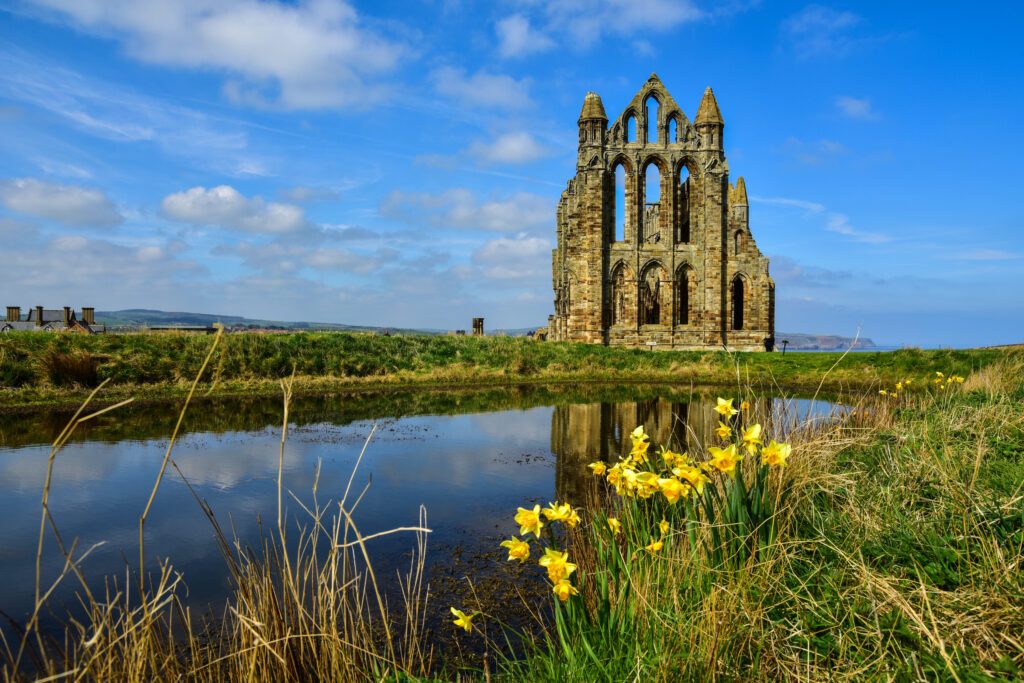
The roofless Gothic nave and choir form the most complete standing section of the medieval abbey church, rebuilt from the 13th century onward after the original Anglo-Saxon monastery was destroyed by Viking raids. Soaring window tracery and clustered piers still frame open sky where the vaulted ceiling once stood.
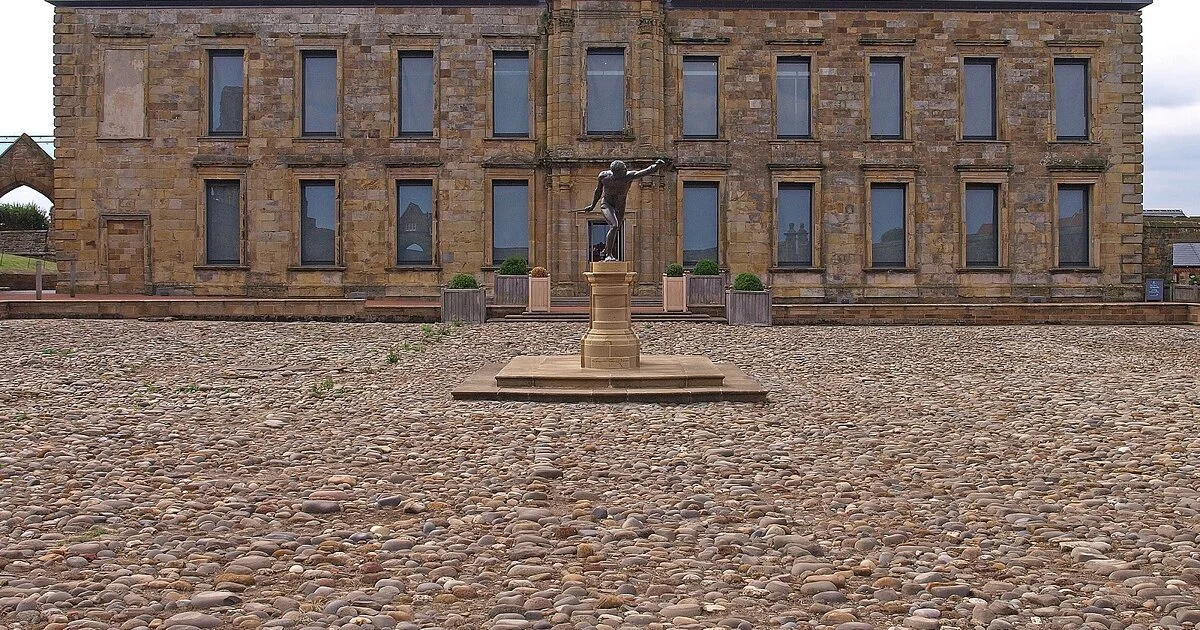
A 17th-century banqueting hall built in 1672 by Sir Hugh Cholmley within the abbey precinct, now serving as the visitor centre and museum. Its stone facade and mullioned windows contrast with the older medieval ruins surrounding it.
Founded in 657 AD by St Hild, the original double monastery for monks and nuns stood on this headland and hosted the Synod of Whitby in 664, a pivotal meeting on the date of Easter between Roman and Celtic Christian traditions. Archaeological finds from this earliest phase are displayed in the visitor centre.
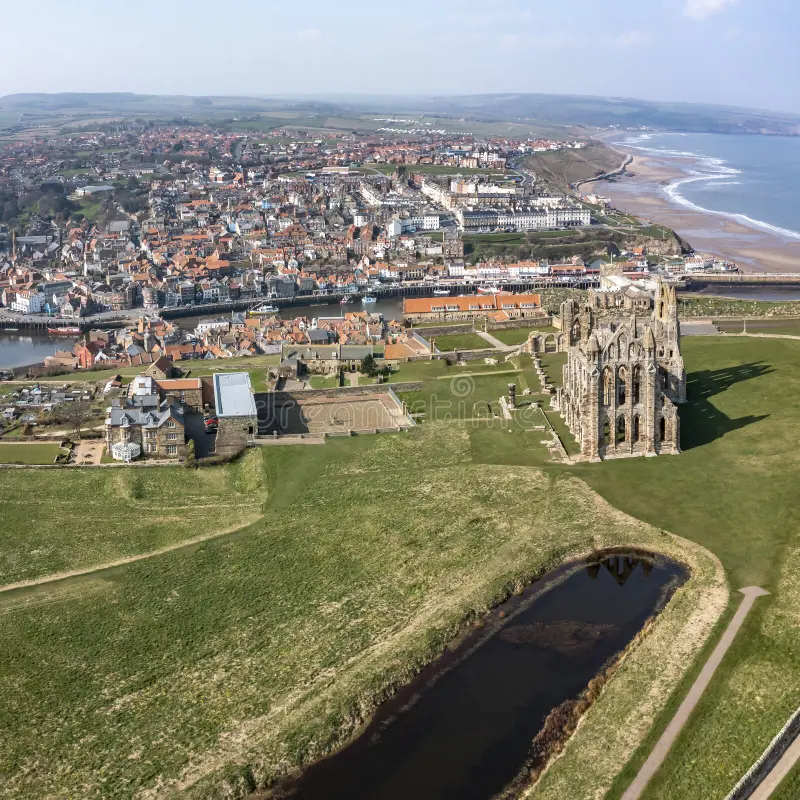
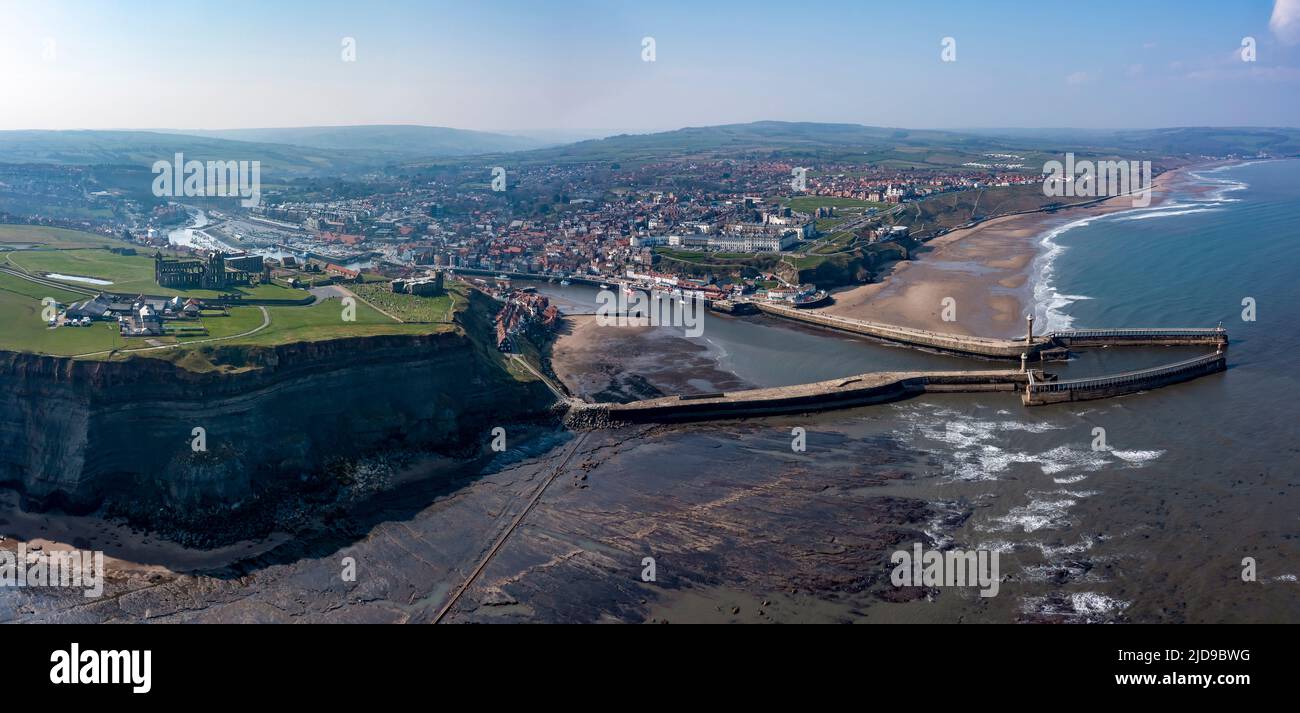
The clifftop setting rises around 60 metres above the harbour, giving open views over Whitby's red-roofed Old Town and out across the North Sea. This same vantage point is described in Bram Stoker's 1897 novel Dracula, inspired by his 1890 stay in the town.
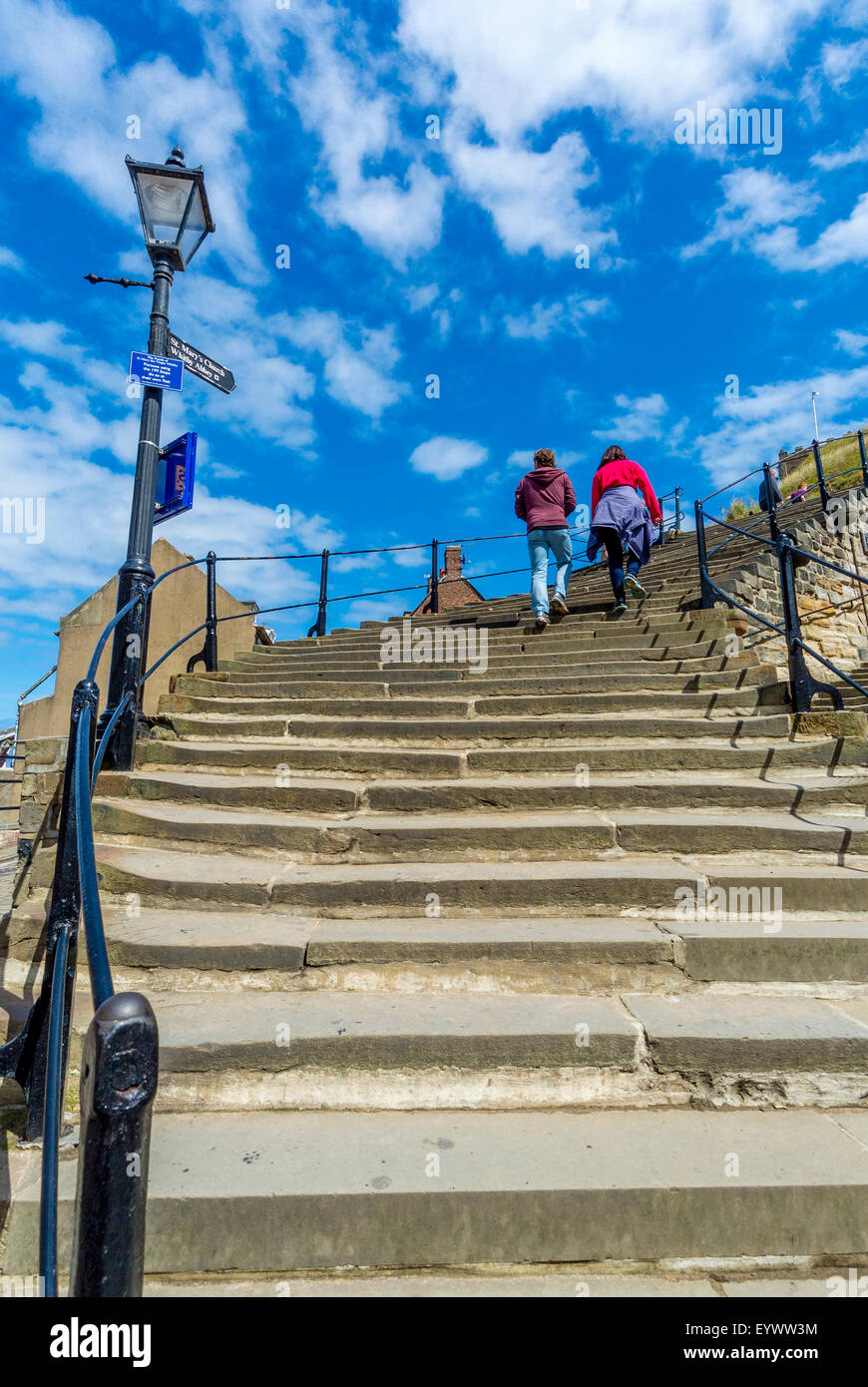
Directly beside the abbey, the 199 steps and adjoining churchyard formed the historic pilgrim and funeral route to the clifftop, first recorded in a document from 1370. Weathered gravestones and resting benches line the route, a detail also woven into Dracula's plot.
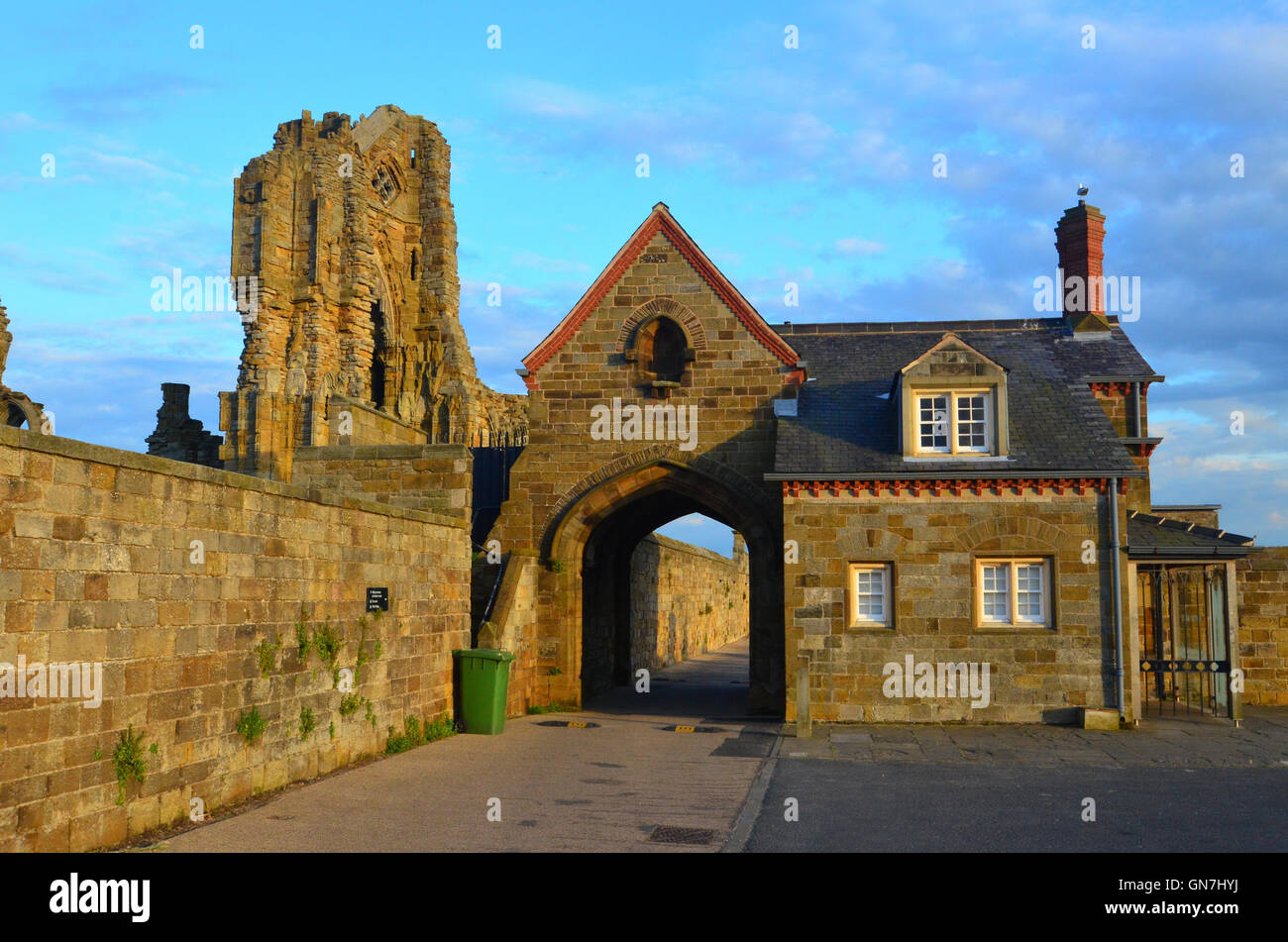
Remnants of the boundary wall and gatehouse mark the edge of the medieval abbey estate, which once controlled extensive fishing and farming rights across the surrounding headland. Sections of masonry show clear tooling marks from 13th-century stonemasons.
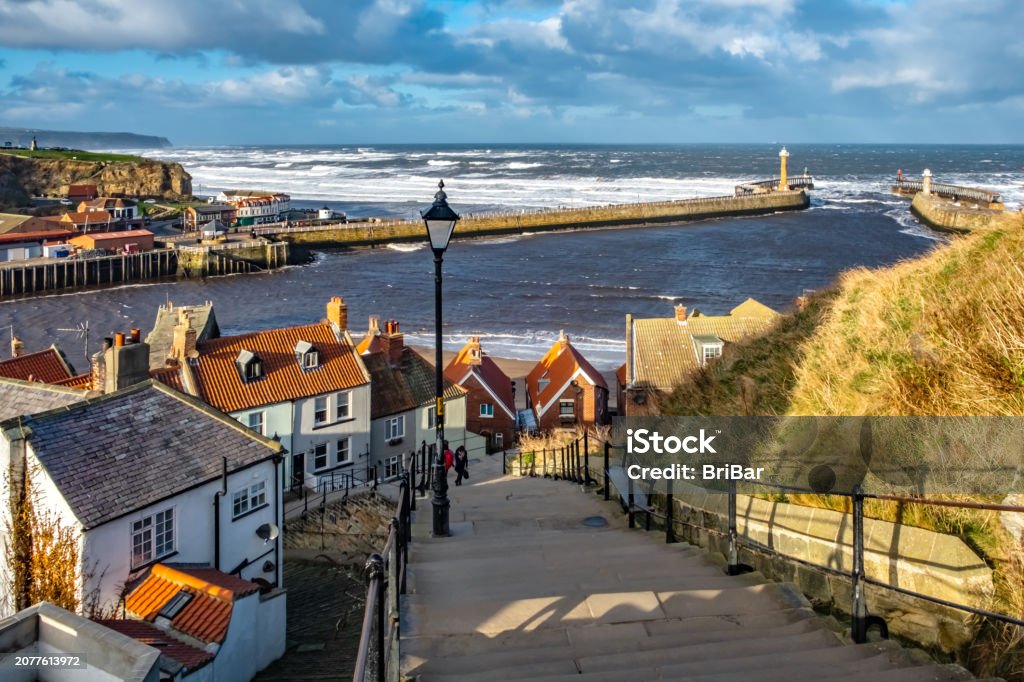
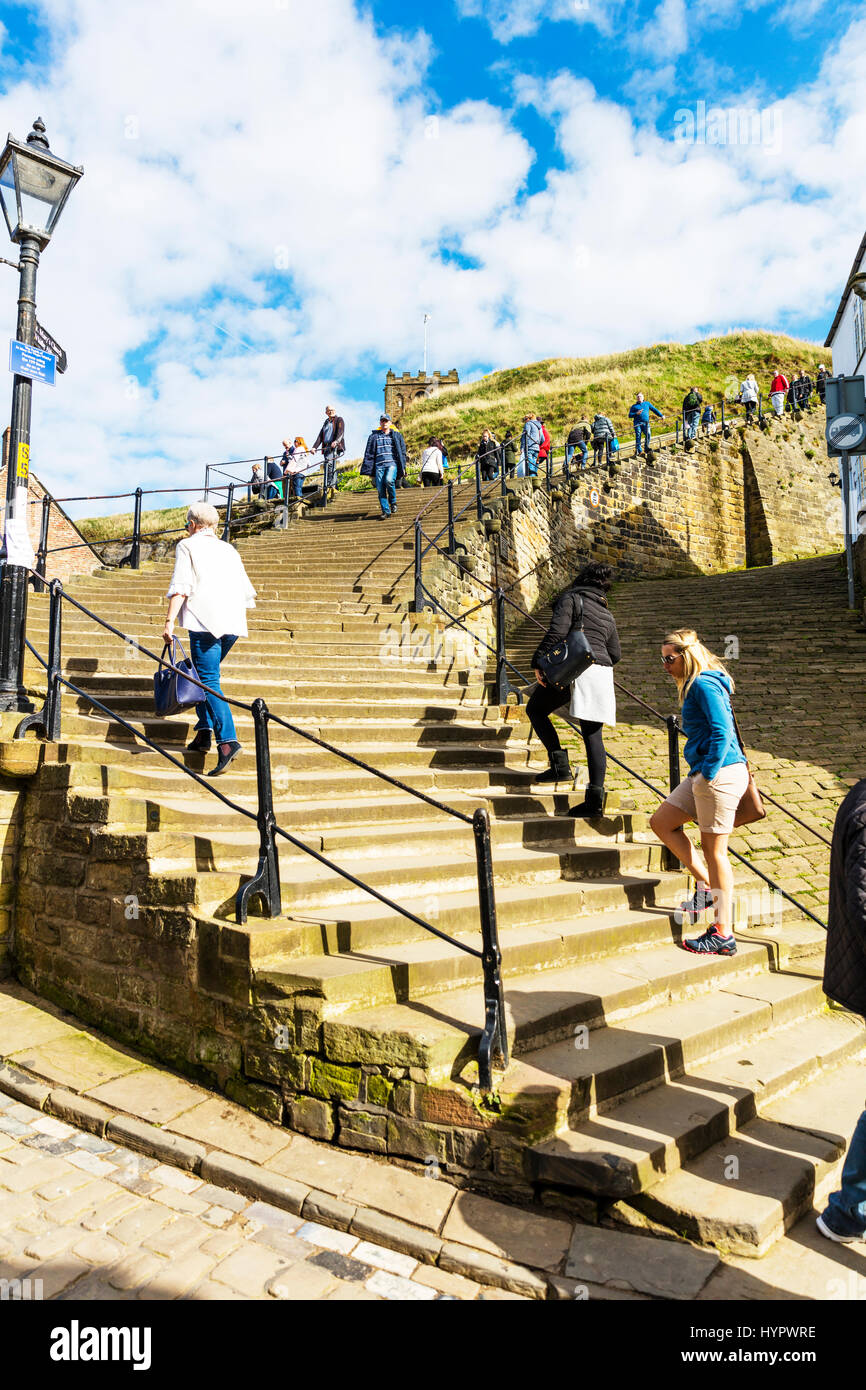
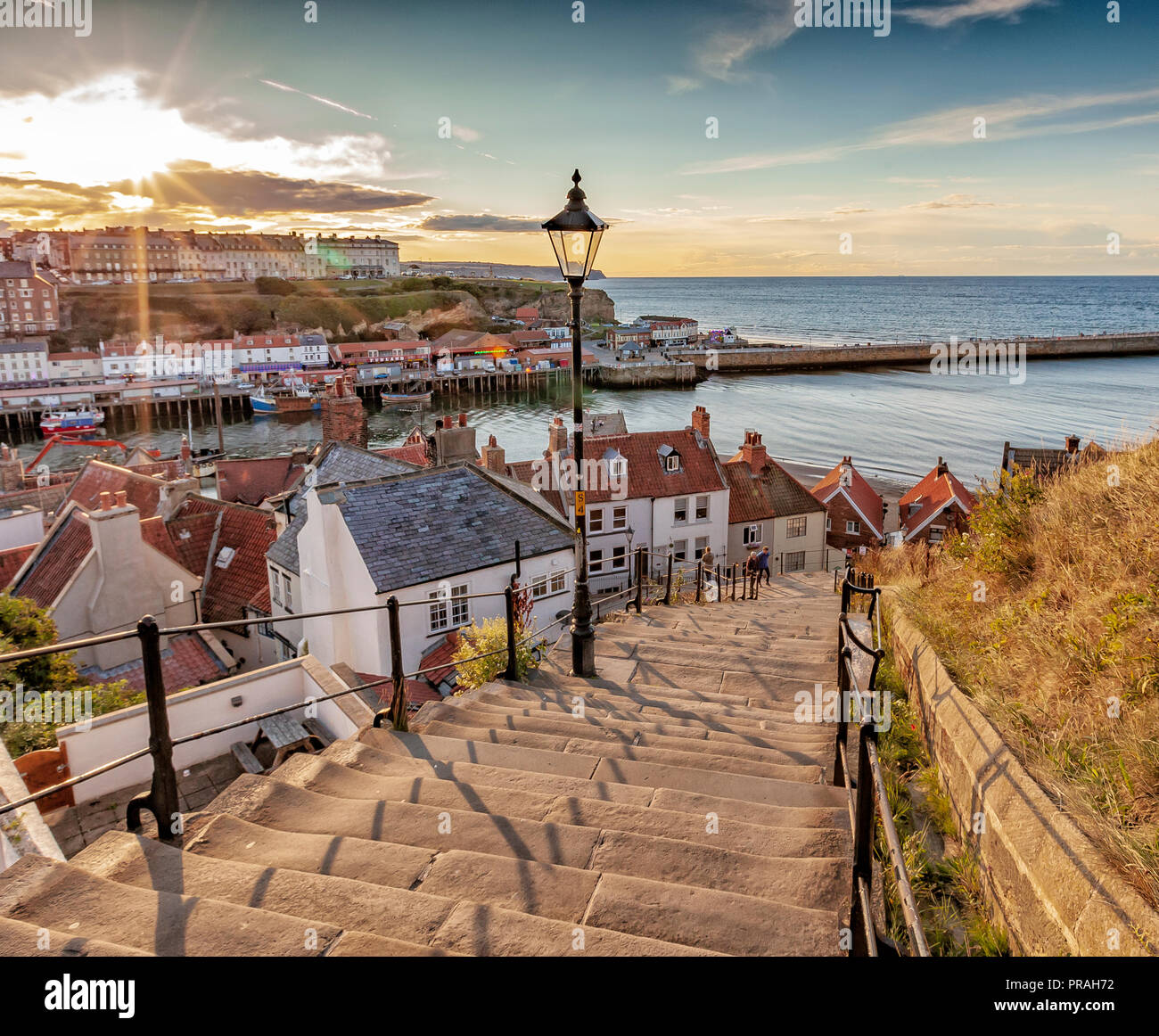
You climb the 199 steps from Church Street, pausing at the flat landings where coffin-bearers once rested. St Mary's churchyard levels out first, its blackened headstones tilting toward the sea.
The abbey gate sits beyond, on Abbey Lane, and Whitby Abbey Tickets are scanned at the visitor centre entrance inside Cholmley House.
Arrive between 10:00 and 11:00 and the grounds are quiet. You move through the museum galleries first — bone combs, carved stone, the Anglo-Saxon material pulled from the headland soil — then step out onto the lawn facing the west front. The scale registers slowly. You walk the length of the nave, counting the surviving bays, and the north transept lancets rise beside you in three clean tiers.
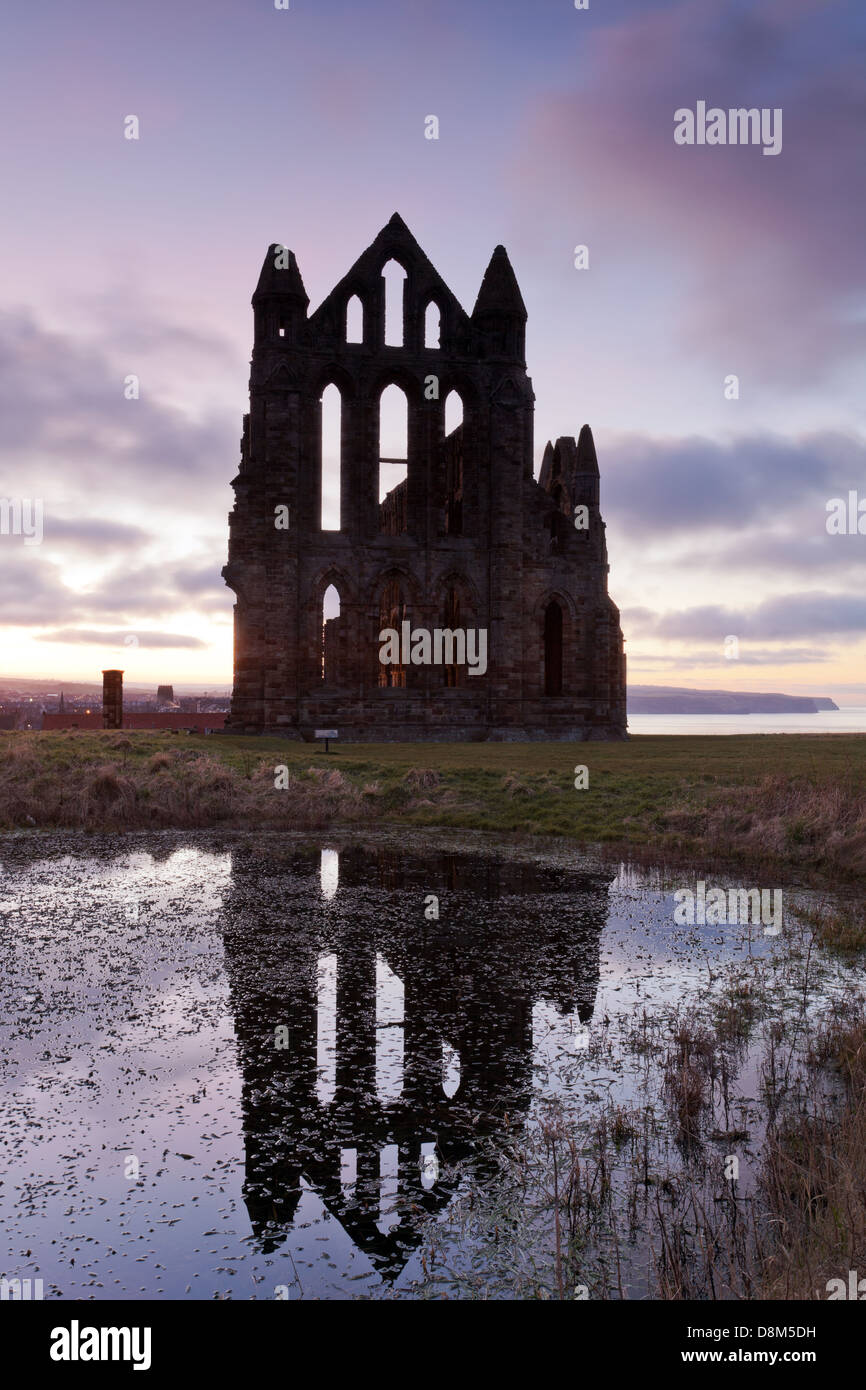
Behind the ruin, the monks' pond reflects the arcade when the water is still. You circle it, then follow the path to the cliff edge where the harbour opens below: piers, the swing bridge, boats working the river mouth. Wind comes hard off the North Sea here even in July, so a windproof layer earns its place.
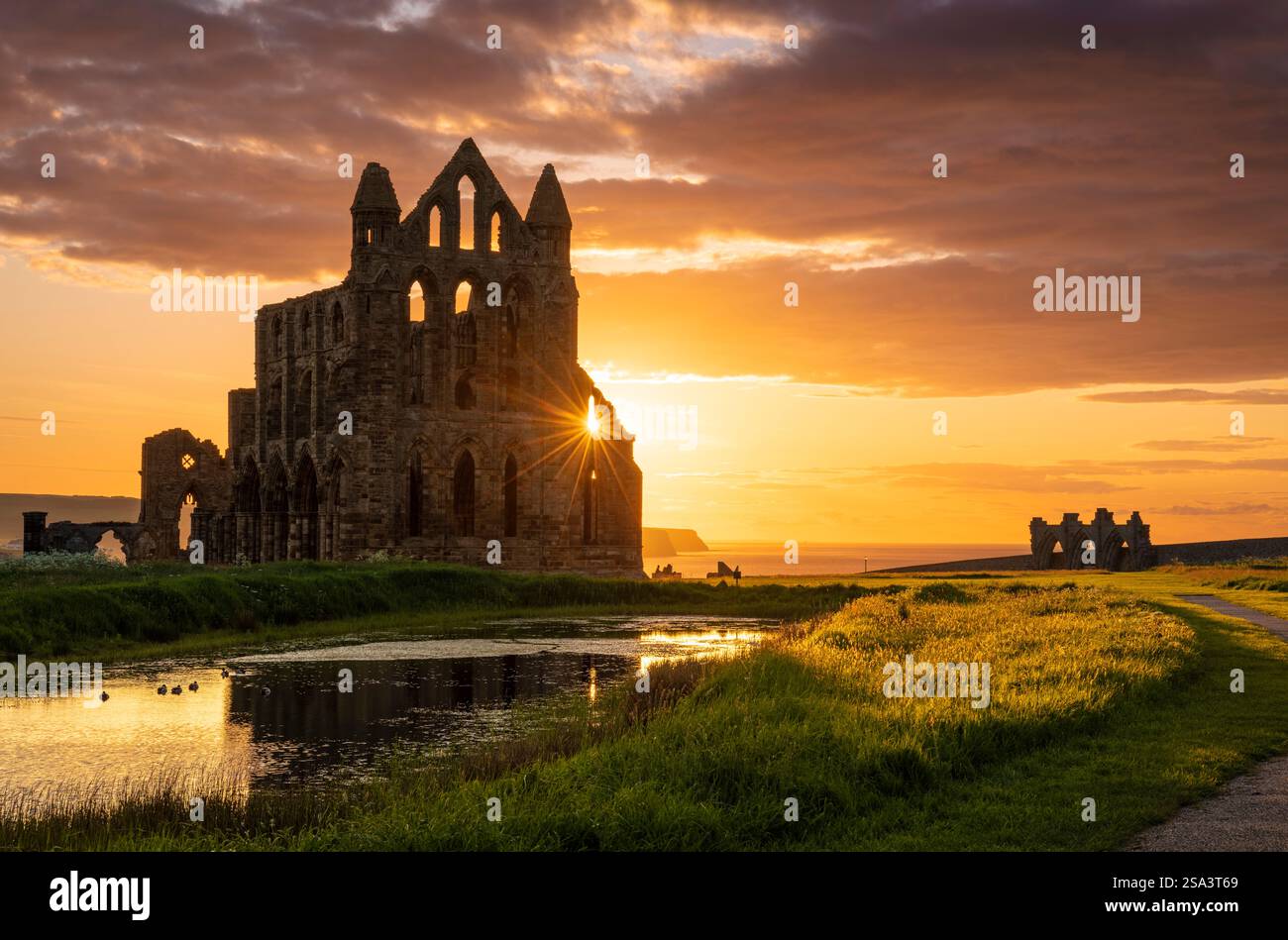
You return through the arches, sit on the low wall, and watch the light shift across the stone. Last entry is 16:30, and the ruins hold their best colour late.
All the details about your upcoming adventure in one place
Whitby Abbey Tickets give you entry to the gaunt Gothic shell of the 13th-century Benedictine church standing on the East Cliff, along with the visitor centre housed in Cholmley House and its collection of Anglo-Saxon carved stone. The site links Caedmon, the earliest named English poet, with Bram Stoker's Dracula, and looks out over the North Sea, the ruined nave arcade and the 199 steps down to the old town. English Heritage manages the headland, and Whitby Abbey Tickets tours can be paired easily with other North Yorkshire coast landmarks.
The abbey standing on Whitby's East Cliff today is the third church to occupy the headland, and the roofless shell visitors photograph is not the one Caedmon knew. A Northumbrian monastery was founded here in 657 under the abbess Hild.
The Synod of Whitby met on this ground in 664 and settled the date of Easter for the English church, a decision that shaped Christian practice across the country for centuries. What survives above ground is largely thirteenth-century Gothic, built by a Benedictine community re-established after the Norman Conquest.
The ruin matters now for reasons beyond chronology. Whitby Abbey Tickets tours introduce a site that functions as a coastal landmark, a literary reference point, and a working conservation project at once. Bram Stoker set part of Dracula beneath this headland in 1897, and the silhouette above the harbour entered the popular imagination permanently. English Heritage cares for the ruins, the visitor centre inside the seventeenth-century Cholmley House, and the archaeological landscape spreading north across the cliff top.
Architecturally, the north transept is the most complete surviving element, its three tiers of lancet windows rising in near-perfect sequence. The east end retains its clustered piers and the remains of a rose window. Erosion, North Sea gales, and shelling from a German warship in December 1914 all took their toll on the western range. The nave's north arcade collapsed in 1762; the central tower followed in 1830. What remains is a study in structural absence — arches that frame sky rather than glass, aisles open to weather.
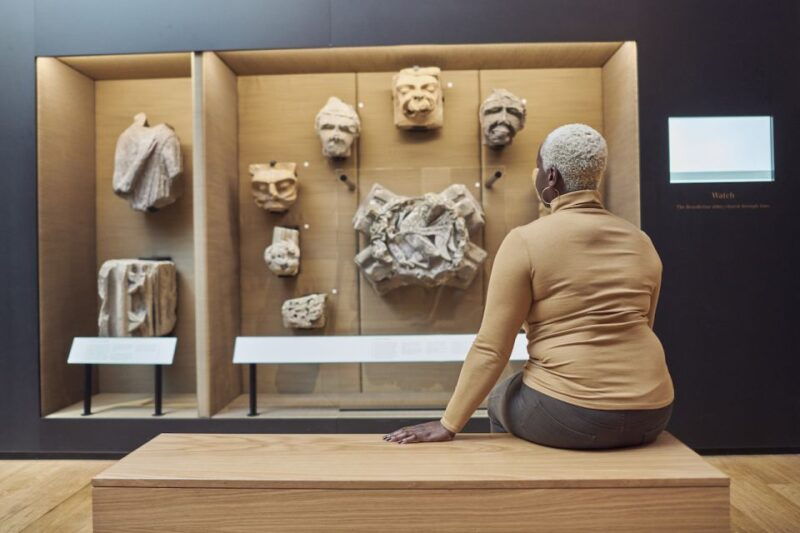
The visitor centre holds Anglo-Saxon and medieval finds excavated from the headland, including bone combs, styli, and fragments of decorated stone crosses. These objects anchor the abstract history in material evidence. A Whitby Abbey Tickets tour typically pairs the ruin with the Cholmley House galleries, where interpretation covers the monastic economy, the Dissolution of 1539, and the gentry family who quarried abbey stone for their own house.
The setting is inseparable from the architecture. The abbey sits at the head of the 199 steps that climb from the old town, above St Mary's churchyard and the harbour mouth. That elevation was chosen deliberately by Hild's community: visible from sea, defensible, and set apart from the settlement below. Whitby Abbey Tickets grant access to a headland that has been continuously significant for more than thirteen centuries, and to a ruin whose incompleteness is the point.

These are arches that frame sky rather than glass, aisles open to weather.
No formal dress code applies at Whitby Abbey, but the clifftop site is exposed to North Sea wind and rain year-round, so a weatherproof jacket is advisable even in summer. Sturdy, flat shoes are recommended for the uneven medieval stonework and grass underfoot, and for anyone climbing the 199 steps to reach the headland on foot.
Bags are permitted inside Whitby Abbey and the visitor centre, though large rucksacks and suitcases may be asked to be carried rather than worn in the museum's tighter display areas. There are no airport-style scanners, but staff carry out routine visual bag checks at busy periods, particularly during school holidays.
Personal, non-flash photography is permitted throughout the abbey ruins, headland and grounds for private use. Tripods, drones and any commercial or professional shoot require prior written permission from English Heritage, and flash or supplementary lighting is not allowed inside the visitor centre museum displays.
Children are welcome throughout the site, with the interactive visitor centre offering hands-on displays and a Dracula-themed audio trail aimed at younger visitors. Buggies are permitted on the main paths, though the ruins themselves have uneven ground unsuitable for wheels in wetter weather.
The ruins and grounds are reached via level pathways from the main car park, with an accessible drop-off point and ramped entrance at the visitor centre. Manual wheelchairs are available to borrow at the visitor centre, though the grass surrounding the ruins can be uneven after rain; some areas of the original abbey church are only reachable via steps or gravel paths.
Visitors may bring their own snacks and sealed drinks to consume on the grounds outside the ruins themselves, but food and drink are not permitted inside the abbey church or museum galleries to protect the historic stonework and exhibits. Picnicking is allowed on the grassed areas of the headland, weather permitting.
Last entry 16:30
Quietest weekday morning
Coach groups often arrive midday
Busiest day of the week
Hours
Open daily 10:00–17:00, last entry 16:30
Address
Abbey Lane, Whitby, North Yorkshire, YO22 4JT, United Kingdom
Access
199 steps or vehicle access to headland; ramped visitor centre entrance
Best light
Arrive 10:00–11:00 for quieter grounds and softer morning light
Facilities
Visitor centre, museum, gift shop and car park on Abbey Lane
Public transport · 60–90 min from Middlesbrough or Scarborough · Bus fares from around 5–10 GBP
Take the Esk Valley train line from Middlesbrough, or bus X93/X4/X4A from Middlesbrough and bus 93 from Scarborough, then walk the 199 steps or a level path from town.
Car · 10–15 min from Whitby town centre · Parking typically 3–5 GBP for a few hours
Drive to the Abbey Headland car park directly on Abbey Lane, YO22 4JT, avoiding the Old Town's narrower streets.
Walk · 15–20 min from the harbour · Free
Climb the historic 199 steps from Church Street in the Old Town, past St Mary's Church, onto the headland.
Bus · 10 min plus walk · Bus fare covers parking
Whitby Park & Ride service P1/P2 runs every 30 minutes from the A171/B1460 site into the bus station, with a short onward walk or taxi to the abbey.
Standard walk-up admission at 11.8 GBP is paid on arrival and is not a pre-booked ticket, so there is no cancellation needed. If tickets were reserved online in advance through the official English Heritage site, refund and date-change terms are set out at booking and generally allow amendment up to a set cutoff before the visit date.
Recommended time
1.5-2 hours
Most visitors need 1.5 to 2 hours to cover the ruins and the visitor centre together, and that is the figure to plan around when booking Whitby Abbey Tickets. Subtract 30 minutes if you are just after the ruins and photos, or add extra if you want to read every display in the museum or linger over the East Cliff views. Queues at the gate are rare since tickets are valid all day, but the paths and best photo angles get genuinely congested once coach groups and day-trippers arrive mid-morning. Arriving close to opening keeps the visit relaxed rather than a shuffle between groups.
Crowd levels through the day
Weather · crowds · average price — dots go green to amber to red as each metric rises.
Mild coastal temperatures around 10–14°C with daffodils in the grounds and thinner crowds than summer. Weekday mornings are especially quiet before school holidays begin.
Peak season with temperatures reaching 18–20°C, long daylight hours and the busiest visitor numbers, especially around the August bank holiday.
Cooler weather from 9–15°C brings dramatic skies over the ruins and the popular Illuminated Abbey event typically runs in October.
The quietest and coldest season, around 2–7°C, with dramatic stormy light over the North Sea and far fewer visitors on the headland.
Walking up from Church Street past St Mary's churchyard is the classic approach and adds no extra cost, though the alternative vehicle route to the Abbey Lane car park avoids the climb entirely.
The Abbey Headland car park charges by machine or app, and change can be limited on busy weekends, so a parking app or card payment option is worth having ready.
The clifftop is markedly windier and cooler than the town below, even on a warm summer day, so a jacket is worth carrying year-round.
English Heritage typically runs an evening lighting event in October; if visiting in autumn it's worth checking the events calendar before booking other plans.
The church sits right beside the ruins and is free to enter, making it an easy add-on to the same visit without extra travel.
Arriving by train, bus or bike and showing your ticket or helmet at the till earns 20% off the standard walk-up price.
Grey, moody skies are common on the North Sea coast and often suit the Gothic ruins better than bright sun, so don't wait for a clear forecast.
Abbey Lane, Whitby, North Yorkshire, YO22 4JT
Main entrance and ticket point, adjacent to the car park
Get directions
Church Lane, Whitby, YO22 4DP
Alternative arrival point on foot from the Old Town, beside St Mary's churchyard
Get directionsAbbey Lane, Whitby, YO22 4JT
415-space long-stay car park with coach bays and accessible parking
Get directionsThe headland above Whitby has carried a religious house since 657 AD. In that year Oswy, King of Northumbria, granted land to Hild, a noblewoman of the Deiran royal line, who founded a double monastery for both monks and nuns. Hild governed it until her death in 680. Under her the house produced Caedmon, a cowherd who composed the earliest recorded Christian verse in Old English. Visitors buying Whitby Abbey Tickets stand on the site of that Saxon foundation, though almost nothing of it survives above ground. In 664 the monastery hosted the Synod of Whitby. Bishop Wilfrid argued for the Roman calculation of Easter against the Ionan tradition defended by Colman of Lindisfarne. Oswy ruled for Rome, and the Northumbrian church realigned with continental practice. Viking raiders destroyed the house in 867. Two centuries passed before Reinfrid, a soldier of William the Conqueror turned monk, refounded it as a Benedictine abbey around 1078. The Gothic church whose skeleton dominates the cliff belongs to a rebuilding begun about 1220, its north transept and presbytery raised in Early English style with lancet windows and clustered piers. Guided Whitby Abbey Tickets tours frequently pause at the surviving east end, the most complete portion of that campaign. Henry VIII's commissioners suppressed the abbey in December 1539, and the Dissolution formally ended monastic life here in 1540. The Cholmley family acquired the estate and built a mansion beside the ruin, its banqueting house completed around 1672. Decay did the rest: the nave's west front partly collapsed in 1762, the central tower fell in 1830. On 16 December 1914 German battlecruisers shelling Whitby struck the west front, damaging masonry that had stood seven centuries. Twenty-four years earlier, in 1890, Bram Stoker had lodged in Royal Crescent and taken the name Dracula from a library volume in the town, setting his vampire's landfall beneath these walls. A Whitby Abbey Tickets tour of the Yorkshire coast landmarks now covers the ruin, the Cholmley house museum, and the graveyard of St Mary's alongside. Whitby Abbey Tickets tickets are issued by English Heritage.
Hild founds a double monastery on the East Cliff under a grant from King Oswy of Northumbria.
The Synod of Whitby settles the Northumbrian church on the Roman dating of Easter.
Viking raiders destroy the Saxon monastery, ending four centuries of continuous occupation.
Reinfrid, a Norman soldier turned monk, refounds the site as a Benedictine abbey.
A Gothic rebuilding begins, producing the Early English presbytery and north transept still standing.
Henry VIII's Dissolution ends monastic life, and the estate passes to the Cholmley family.
The central tower collapses, following the partial fall of the west front in 1762.
German battlecruisers shelling Whitby on 16 December damage the abbey's west front.
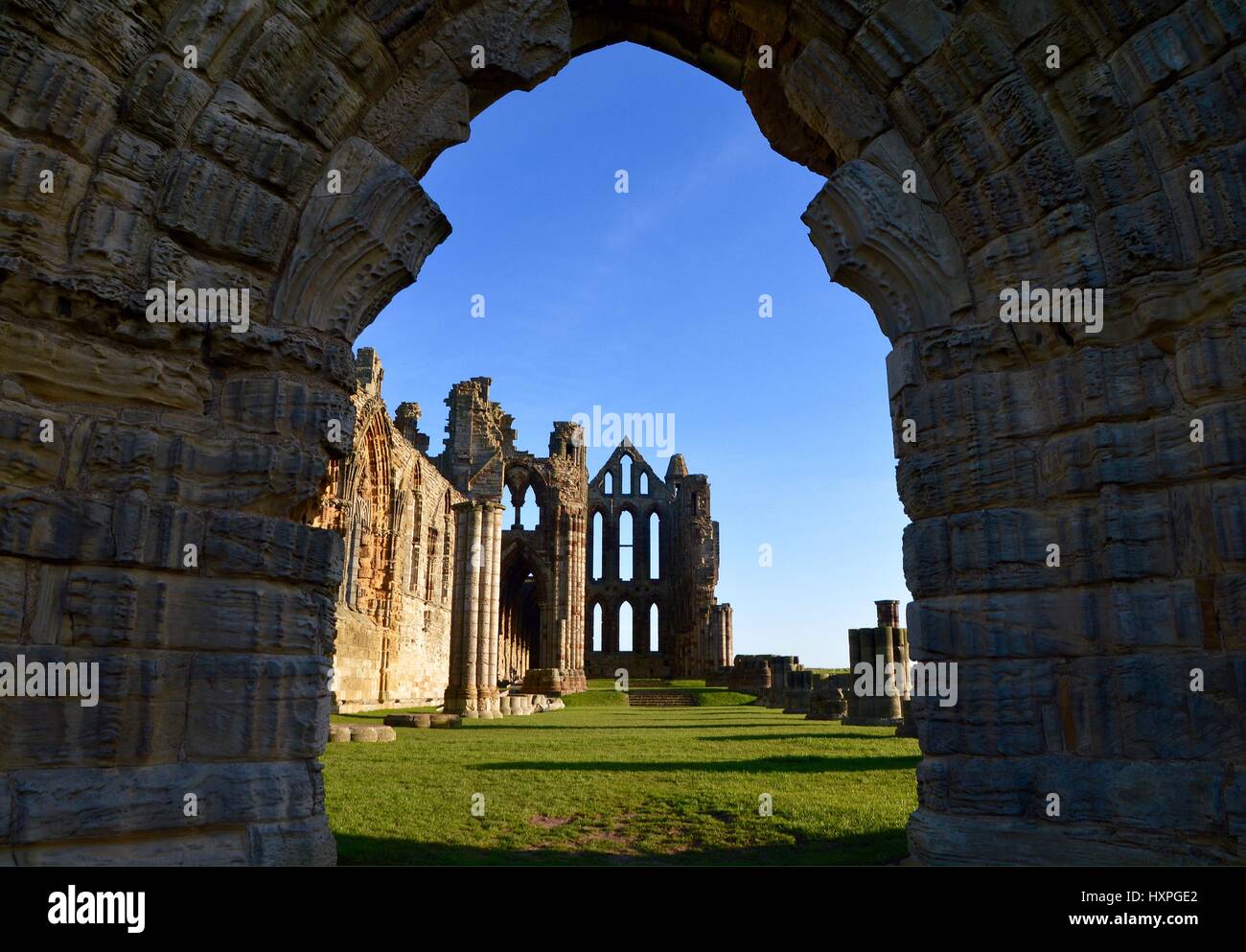
Stand inside the abbey's roofless nave and shoot upward through the soaring Gothic arches, framing open sky where stone tracery once held glass. Position yourself directly beneath the great east window for the classic symmetrical angle. Ground is uneven, so mind your footing on the grass and stone.
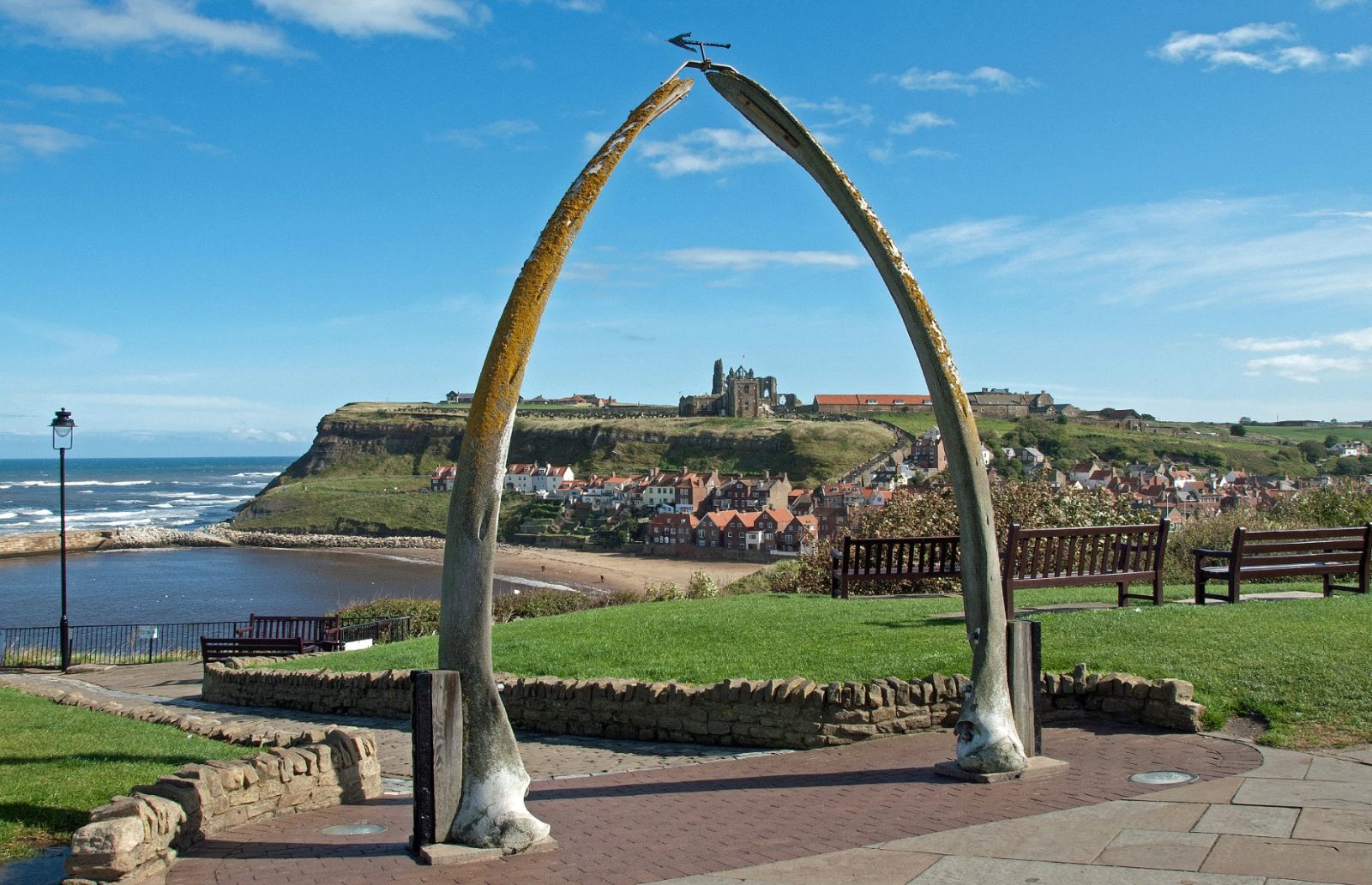
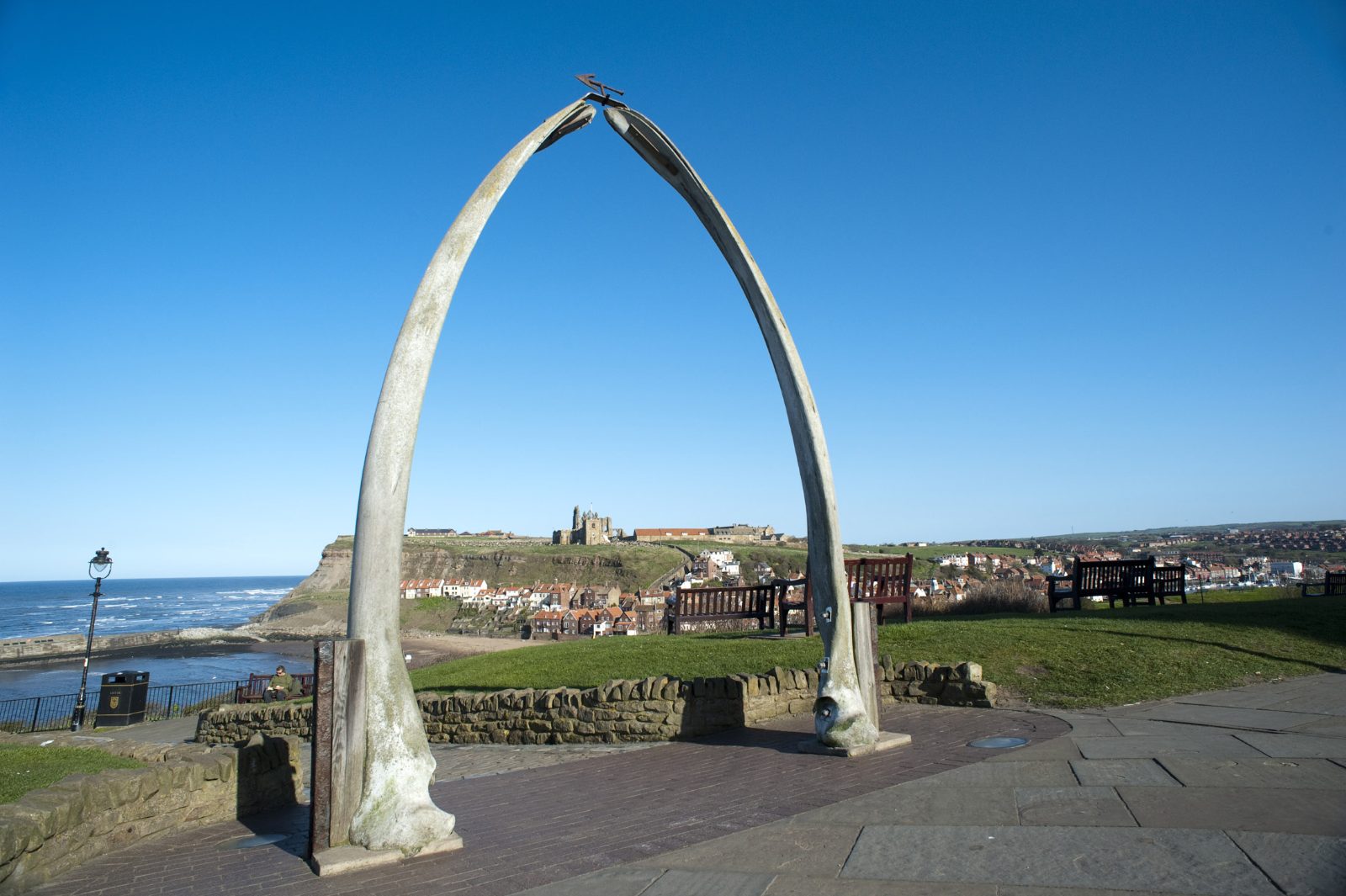
Frame the abbey and St Mary's Church through the huge jawbone arch on West Cliff, looking across the harbour toward the East Cliff skyline. It is the postcard view of Whitby and works equally well as a silhouette shot at dusk. Booking Whitby Abbey Tickets in advance leaves more time to cross town for this shot before the light fades.
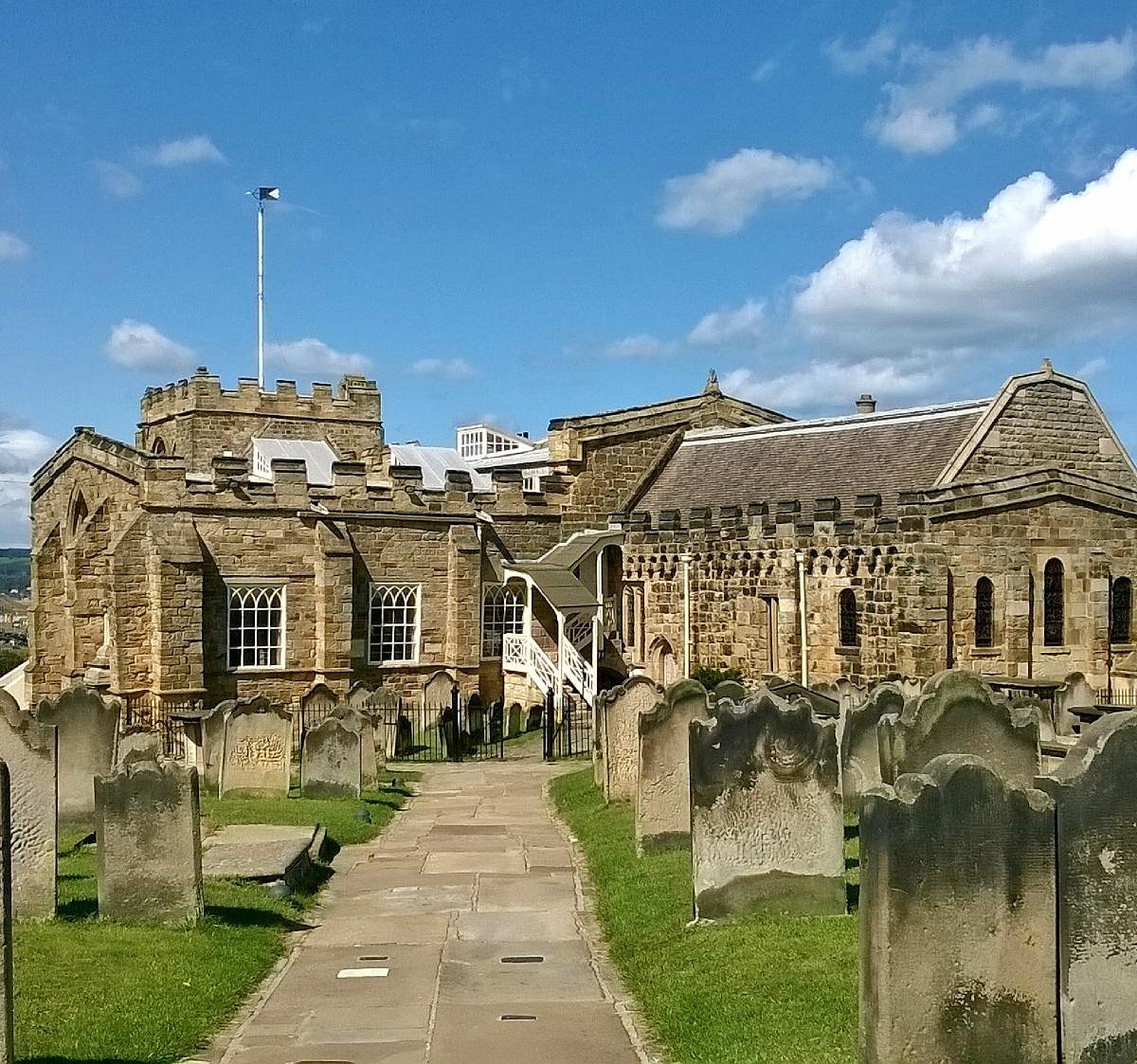
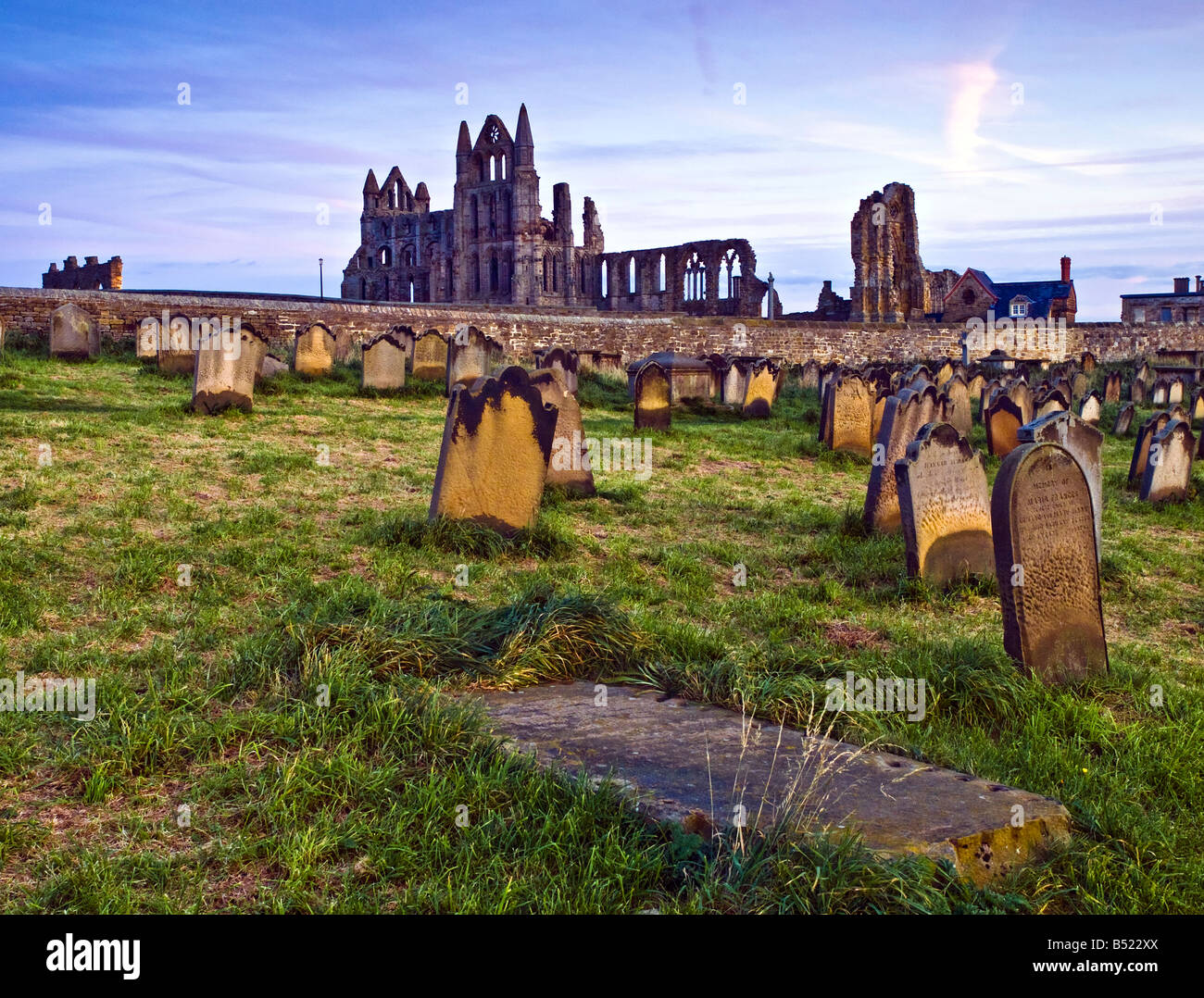
From among the weathered gravestones of St Mary's churchyard, look back toward the abbey ruins rising behind the church tower for a layered, atmospheric composition. This spot also gives sweeping views over the rooftops and harbour below. Uneven ground and a slope near the cliff edge call for care.
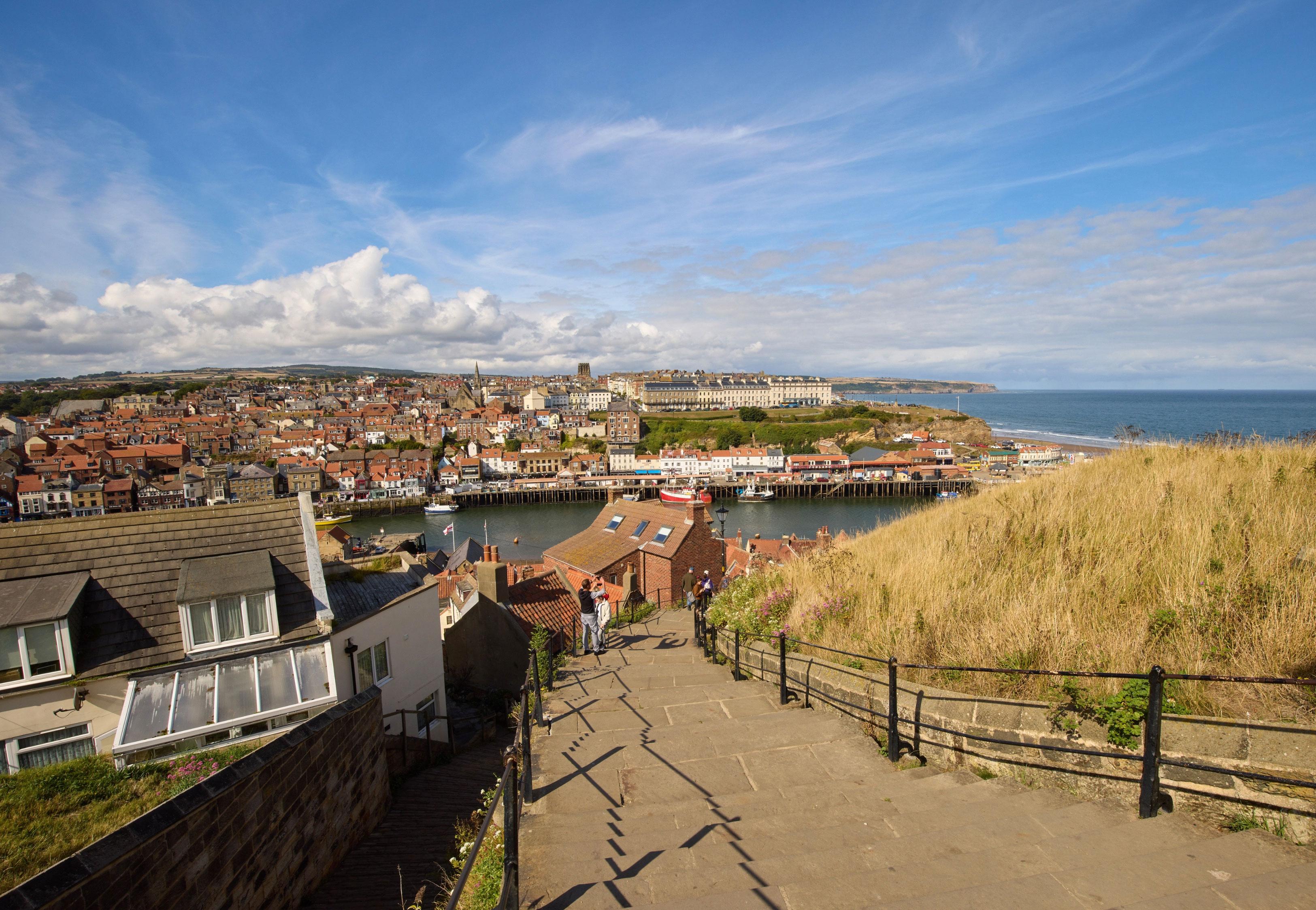
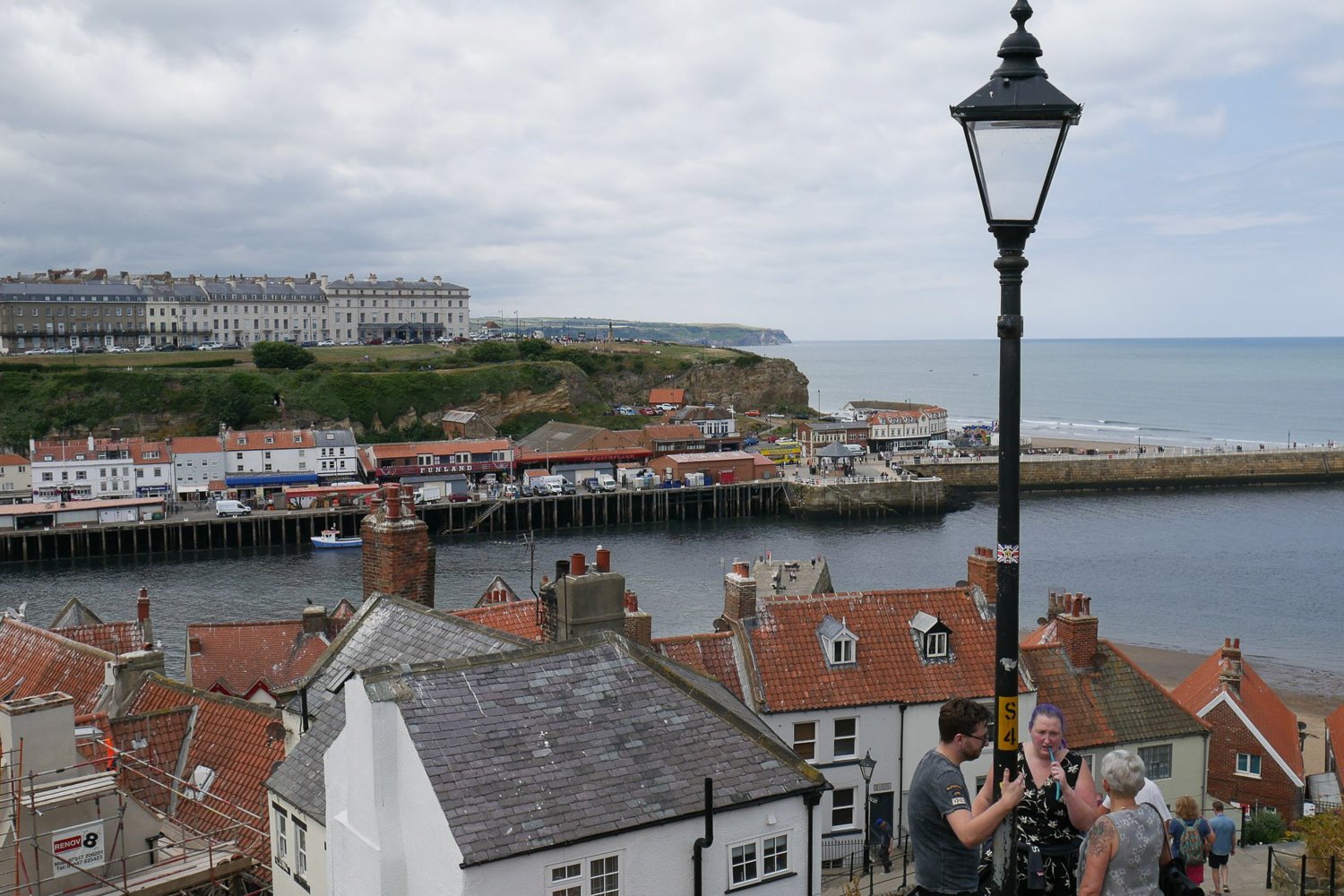
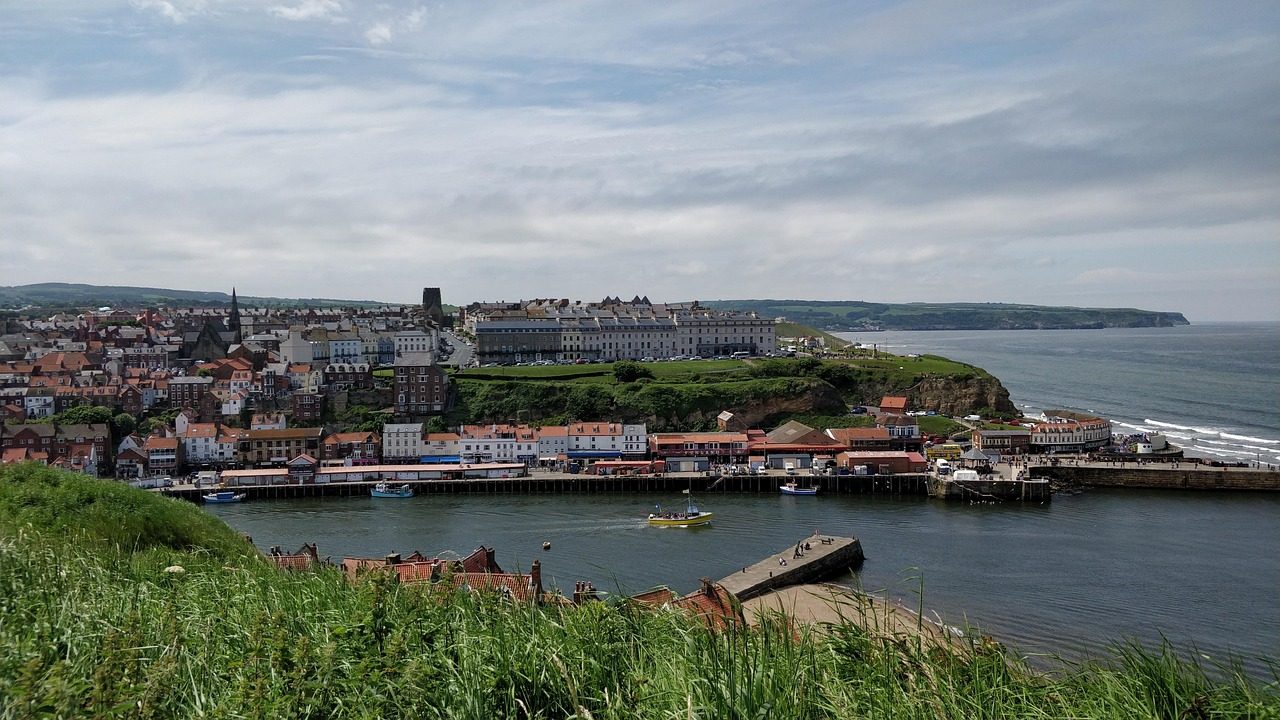
Near the visitor centre, the clifftop path opens onto a wide panorama of Whitby's red-roofed harbour, piers, and the North Sea beyond, with the abbey ruins at your back. It is a favourite spot on any Whitby Abbey Tickets tour for orienting the whole town in one frame. Wind can be strong here, so a lens hood helps.
South of the ruins, a small pond reflects the abbey's arches on still days, reachable by walking the perimeter path inside the grounds. It is a quieter angle away from the main crowds near the entrance. Best approached after arrival when the grounds are still calm.
Whitby Abbey Tickets bring most families to a windswept clifftop ruin where kids can roam open grass between towering stone arches, but the site rewards a bit of planning around the famous steps and pacing across large grounds.
Skip the 199 steps and drive to the Abbey Lane car park instead, where a flat, paved path leads straight to the visitor centre entrance. Most of the abbey grounds are buggy friendly, though some grassy patches get uneven after rain.
School-age children who can appreciate ruins and Dracula lore tend to get the most out of a Whitby Abbey Tickets tour, while toddlers may tire quickly on the open, windy grounds. Bring layers regardless of age, as the clifftop can feel exposed even in summer.
The visitor centre has accessible toilets and baby-change facilities, so plan a stop there before heading out to the ruins. It also makes a sensible base if little ones need a break partway through.
Break the ruin-walking into short stretches, since the grounds are large, sloped, and shadeless in places. Let kids explore the visitor centre's interactive and tactile exhibits partway through as a natural pause before continuing outside.
The visitor centre's hands-on displays and Anglo-Saxon, medieval, and Cholmley-era exhibits give kids something absorbing indoors if the weather turns. It is a good first or last stop on any Whitby Abbey tickets tour with young children.
Options near Whitby Abbey Tickets are limited but genuine, so most visitors either eat before the climb or wait until after: there's a tearoom inside the visitor centre, a fuller café-bar next door, and a small tea room right at the foot of the 199 steps.
Homemade cakes, scones and hot drinks with abbey views, part of the same building as the ticket desk. Handy for a short sit-down before or after a Whitby Abbey Tickets tour, though tables fill up fast in the 11am-2pm rush.
Run from the youth hostel beside the visitor centre, with soups, sandwiches and hot meals plus harbour and headland views. A better bet than the tea room if you want a proper lunch after exploring the ruins, especially outside peak hours.
A small, no-fuss spot for a coffee, bacon bap or slice of cake right where the steps begin. Good for fuelling up before tackling the climb or warming up afterwards; not really set up for a long, leisurely meal.
Real experiences from real travelers
We walked up from the harbour on a bright June evening and the wind off the North Sea was strong enough to lean into. The roofless nave is far bigger in person than photographs suggest, and the sandstone turned properly gold around eight o'clock. Whitby Abbey Tickets were scanned at the visitor centre in under a minute.
You can see exactly why Dracula was set here once you stand on the headland with the gulls screaming overhead. The Benedictine ruins and the graveyard at St Mary's together make one long grey skyline. Bring a windproof layer even in May.
The 199 Steps are a genuine workout with a toddler on your hip, though the view back over the red rooftops rewards you. Ruins are open to the weather so there is little shelter if a squall comes in off the water. Staff at the desk were patient with our questions.
Arrived late afternoon in July and had the lily pond almost to ourselves, the reflection of the lancet windows sitting perfectly still in the water. Our Whitby Abbey tour guide explained how the Anglo-Saxon monastery predated the Gothic shell by centuries. Sensible shoes matter, the grass is uneven.
Cold grey afternoon, sea fog rolling in and out, which honestly suited the ruins better than sunshine would have. Whitby Abbey Tickets tours were easy to arrange online the night before. The little museum inside Abbey House filled in the Synod of Whitby story we had never heard.
Almost nobody there in February and the whole precinct felt enormous and silent apart from the wind. Frost on the grass, low sun straight through the empty window tracery. One of the Yorkshire coast landmarks I would happily return to.
Standing at the boundary wall with the harbour a long way below is the moment that stays with you. The carved detail on the west front is still surprisingly sharp for stone that has sat in salt air since the thirteenth century. Whitby Abbey Tickets are checked at the entrance, so keep your phone charged.
We came up the road side rather than the steps and parked close by, which made it far easier in November drizzle. The abbey ruins against a stormy sky looked exactly as gothic as everyone claims. Whitby Abbey Tickets tickets went straight onto the phone with no printing needed.
Late summer visit with the sea absolutely flat and blue behind the arches, which made for good photographs. Very little shade on the headland so a hot day can be tiring. The audio commentary covering the Whitby Abbey tour was clear and not too long.
Booked skip-the-line Whitby Abbey entry for a Saturday morning and walked past a fair queue at the desk. Sea mist burned off around eleven and suddenly the whole East Cliff was visible down to the piers. Kids liked spotting the nesting seabirds in the walls.
Everything you need to know for your journey
Whitby Abbey is open daily from 10:00 to 17:00, with last entry at 16:30, so it's worth timing any Whitby Abbey Tickets tour around that final admission window.
Standard adult walk-up admission is 11.8 GBP, with last entry at 16:30; English Heritage members enter free with a valid membership card.
The main paths and visitor centre are level or ramped, with borrowable wheelchairs on site, though the grass around the ruins can be uneven after rain and some sections of the original abbey church are only reachable via steps.
Large rucksacks, drones, tripods, glass containers, alcohol brought from outside, and portable BBQs are among items not permitted, and staff carry out routine bag checks during busy periods.
Personal, non-flash photography is allowed throughout the ruins and grounds; drones, tripods and commercial shoots require advance written permission from English Heritage.
Arriving at opening, between 10:00 and 11:00, gives quieter grounds and better light before the site fills up between 11am and 2pm, which makes for a calmer skip-the-line Whitby Abbey experience.
There's no formal dress code, but the exposed clifftop location calls for a weatherproof jacket and flat, sturdy shoes on the uneven medieval stonework.
Picnics and sealed drinks are fine on the grassed headland outside the ruins, but food and drink aren't permitted inside the abbey church or the museum galleries.
By car, head directly to the Abbey Headland car park on Abbey Lane, YO22 4JT; by public transport, take the Esk Valley train line or bus X93/X4/X4A into Whitby, then walk the 199 steps or a level path up to the site.
Yes, the interactive visitor centre has hands-on displays and an audio trail suited to children, and buggies can use the main paths in dry weather.
Standard walk-up tickets are paid on arrival with no cancellation required; advance online bookings follow the amendment terms set out at the time of booking on the official English Heritage site.
St Mary's Church sits right beside the ruins, the historic 199 steps lead down into the Old Town, and Whitby Harbour and the Captain Cook Memorial Museum are both within a 15-minute walk, making it easy to build a fuller day around Whitby Abbey landmarks.
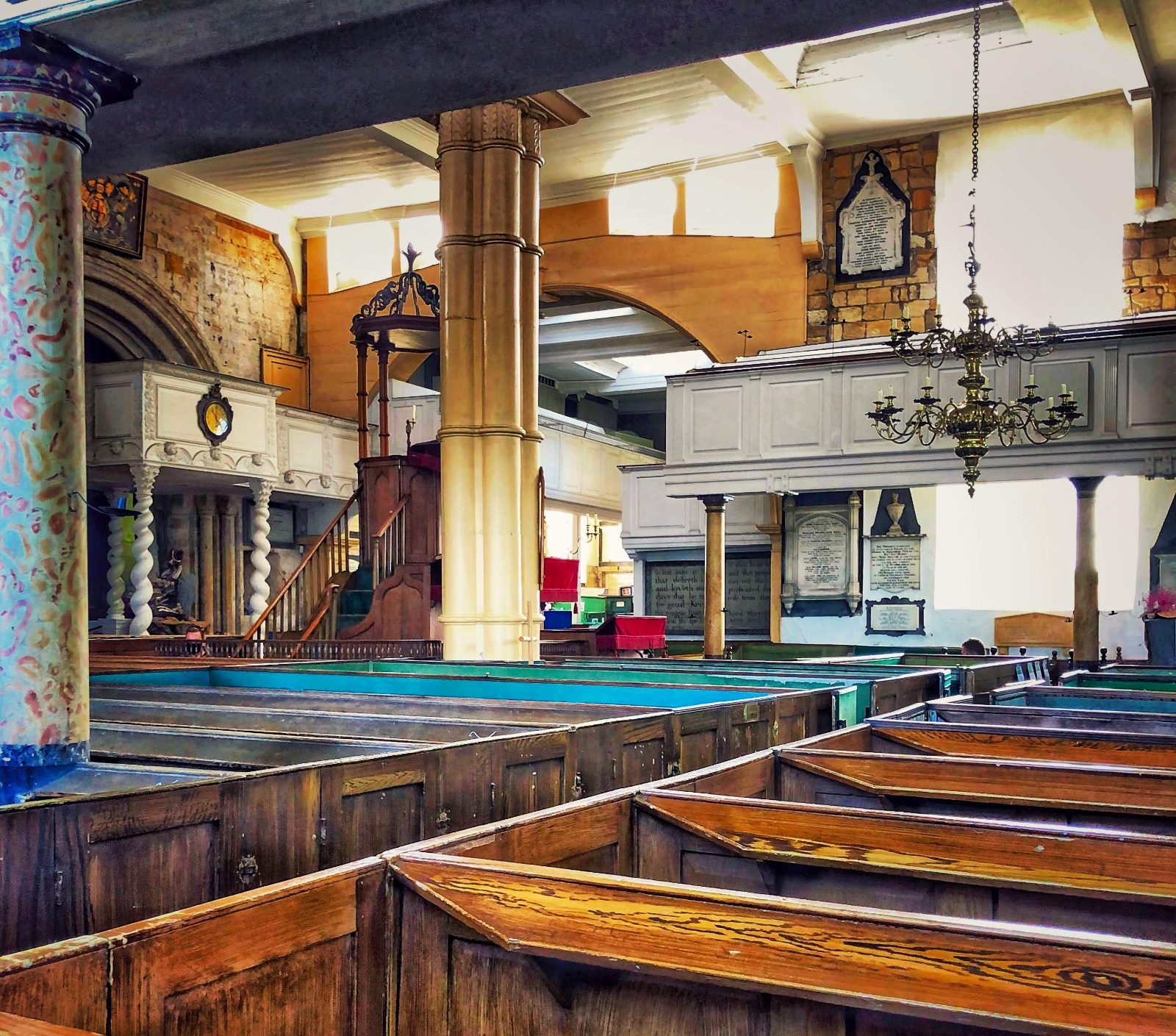
A 12th-century parish church beside the abbey ruins, known for its unusual galleried box pews and clifftop graveyard. It sits at the top of the 199 steps and features in Bram Stoker's Dracula.
The historic Church Stairs connecting the Old Town to the abbey headland, dating from at least 1370. Also called Jacob's Ladder, they are a Grade I listed structure.
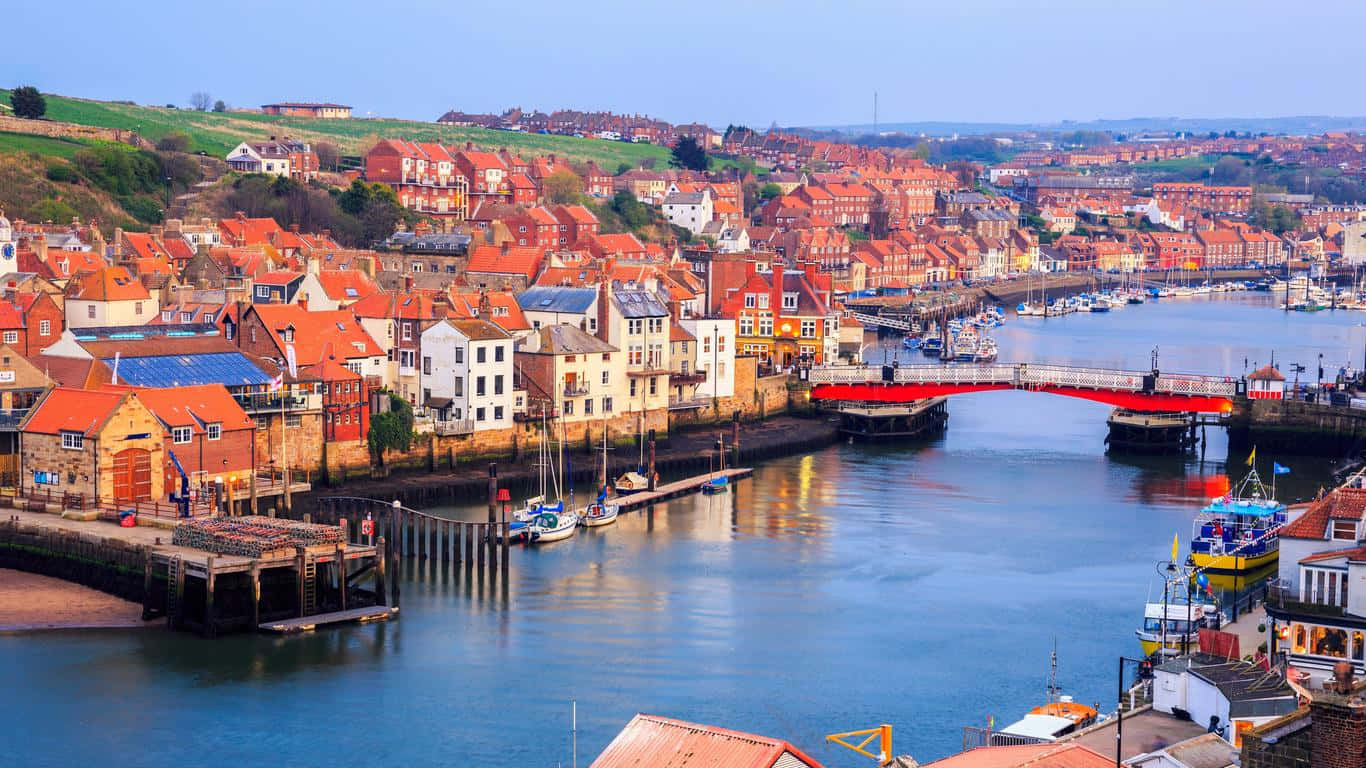
The working fishing harbour dividing Whitby's East and West Cliffs, lined with cafes and fishing boats. It offers views back up toward the abbey ruins.
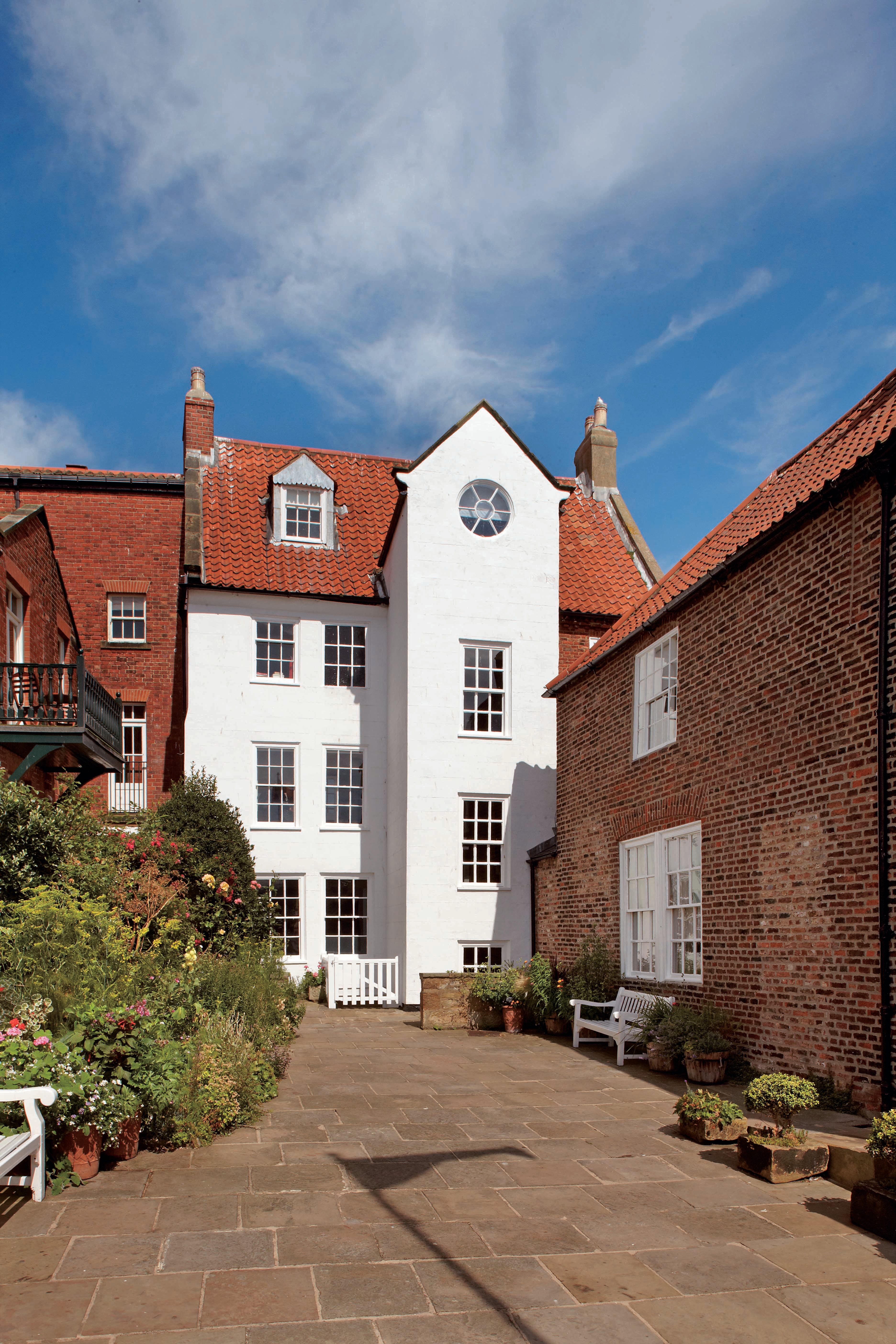
A 17th-century shipowner's house where Captain James Cook lodged as an apprentice, now displaying his voyages and maps.
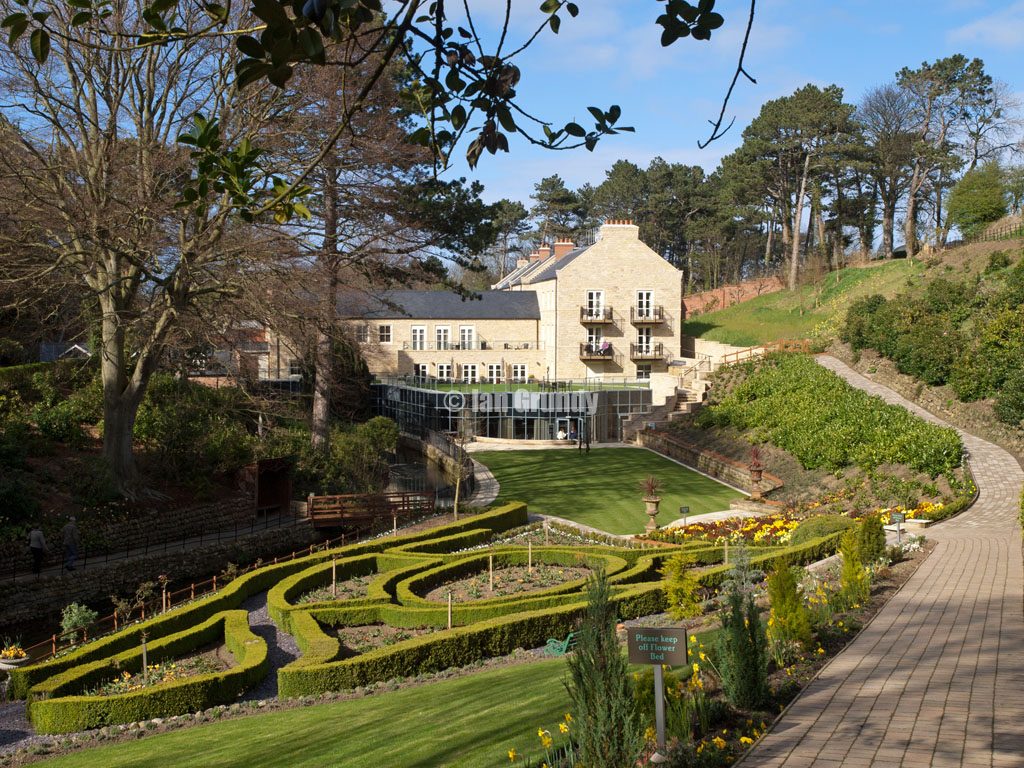
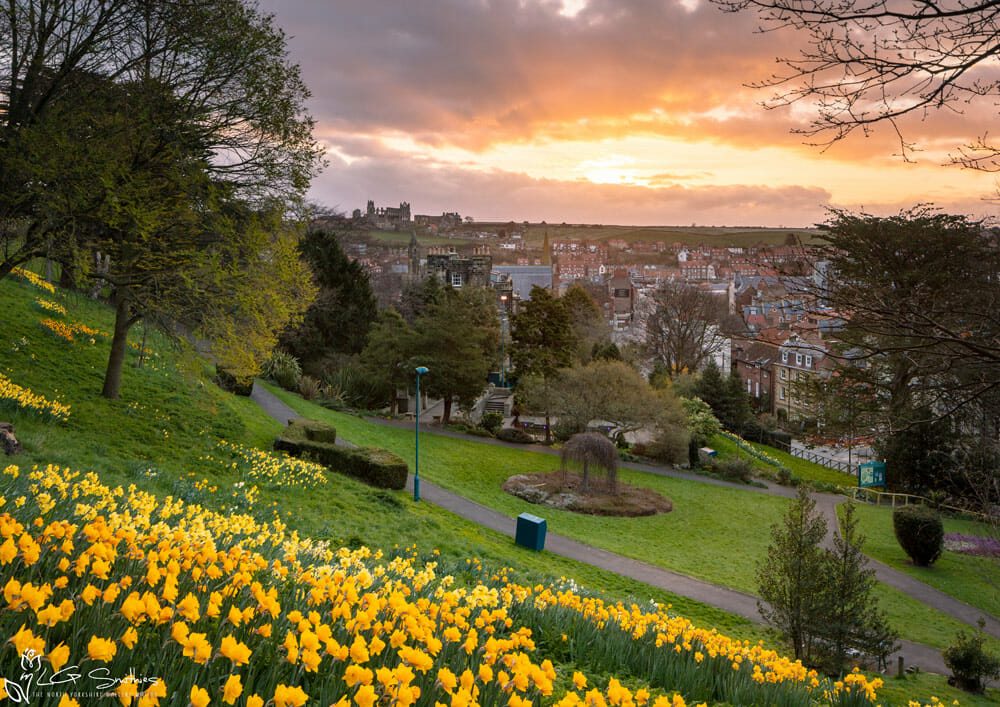
A Victorian public park in the town below the headland, home to the Whitby Museum and art gallery.
A clifftop promenade with the Whitby Whalebone Arch and statue of Captain Cook, facing the abbey across the harbour.
Cobbled streets of guesthouses and B&Bs close to the harbour and the base of the 199 steps.
A harbourside hotel on the West Cliff side with sea views toward the abbey headland.
A period property near Abbey Lane offering rooms within walking distance of the ruins.
A country house hotel set in woodland outside Whitby with spa facilities.
Small independent guesthouses on the same headland as the abbey, popular for short clifftop stays.
Join thousands of happy travelers who have discovered this incredible experience
Book Your Experience Now